2026 F1 Regulations Comparison
What is a regulation change, why do they happen
Over the long history of Formula 1 (F1) cars have changed over time, some cars had a no front wing, so had no rear wing and some even had 6 wheels on the car, but what allows these technical advancements to happen.
Every four or so years, F1 changes the rules of the car design, it is used to even up the playing field and allow teams who may have fell behind the past couple of years to restart and get back on there feet. It is also used to stop the teams that have been so dominant the past couple of seasons like McLaren and Redbull, to be back with the pack. The significance of these changes is what F1 fans live for because they also change what the cars look like, the engines and even the aerodynamics.
Video about why they happen and talks about the 2022 vs 2026 regulations.
Overall Focus
2022
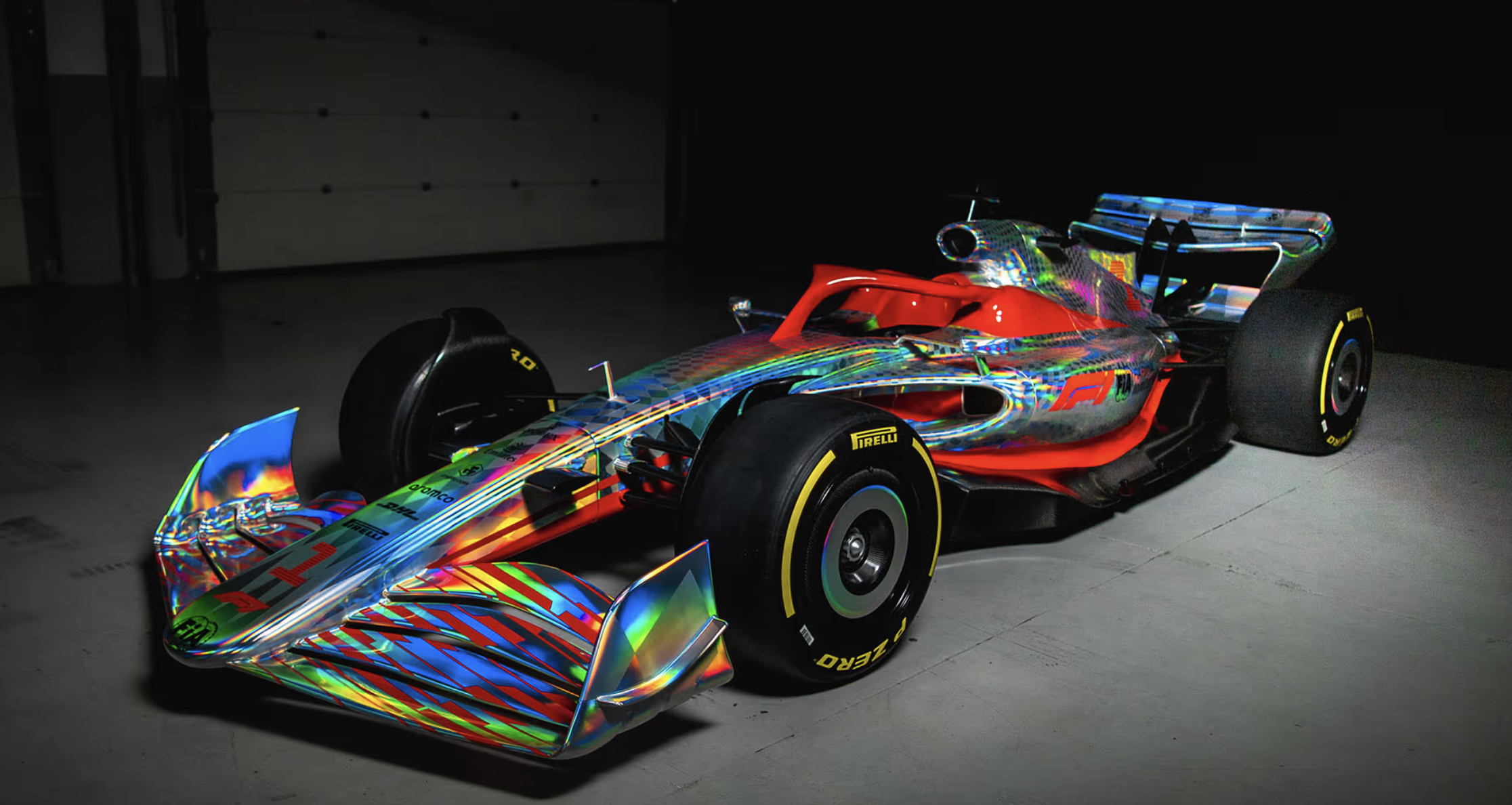
The 2022 regulations had a different goal to the 2026 regulations, the three main aspects for the rule change back in 2022 was one: to improve the wheel to wheel racing in dirty air. Dirty air is when a car is fallowing behind another car during the turns. This is detrimental to the car behind because these cars are very dependent on the air not being messed up so the car behind loses time to the car in front.
The FIA was also trying to reduce the cost of components and design loop holes. More parts became starderied and heavily regulated, such as the wheel brake covers break ducks and certain suspension parts. The FIA also regulated the wind tunnels time and making the allotted time usage based on the previous years constructors championship with the worse teams getting more time.
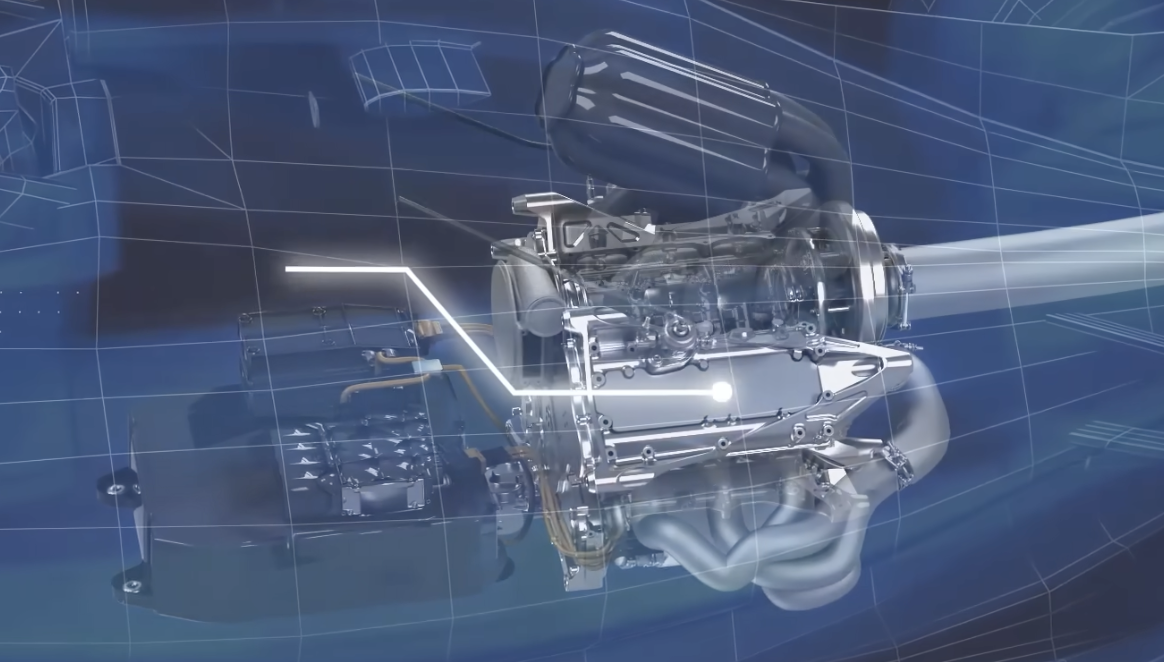
The 2022 rules deliberately avoided changing the engine formula. Teams continued using the 1.6 L V6 turbo hybrid with MGU-H and MGU-K, and engine development was largely frozen for reliability reasons. This stability prevented richer teams from gaining large advantages through engine upgrades and allowed the sport to prepare for a total engine reset in 2026.
2026
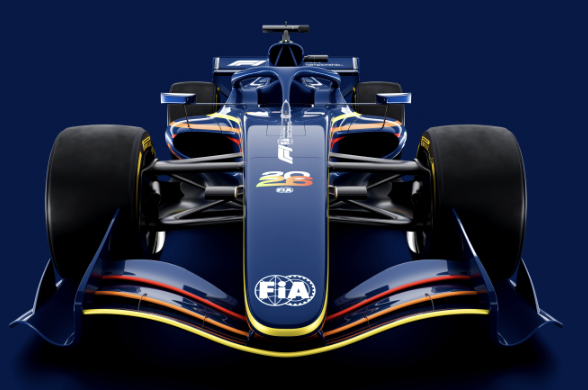
The power unit is entirely redesigned in accordance with the 2026 regulations. About half of the vehicle's power comes from electricity since the MGU-H is completely removed and the MGU-K output almost triples to about 350 kW. Because engines must run only on sustainable fuels and there is less fuel flow, Formula One places a higher priority on efficiency than raw combustion power.
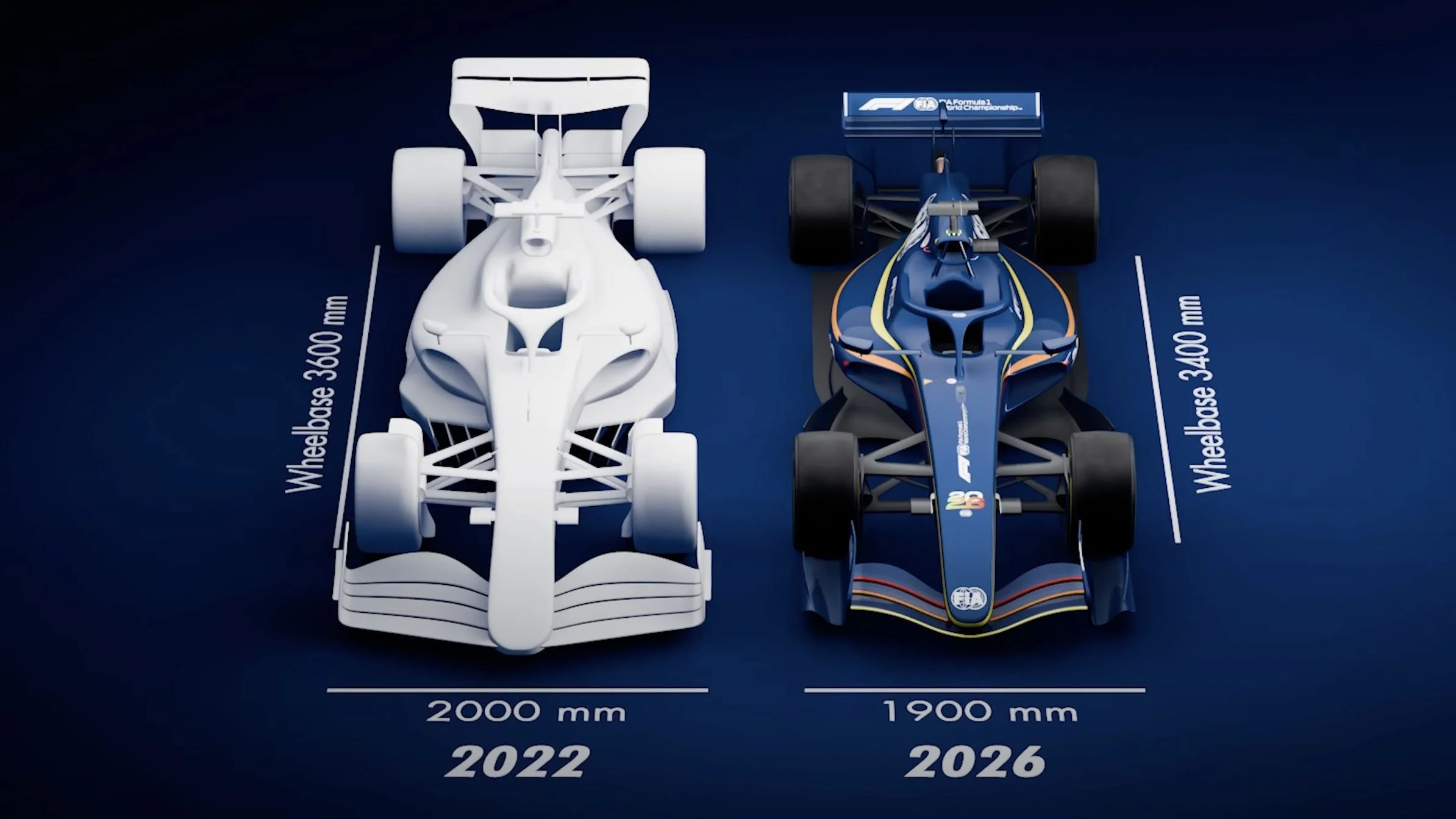
Cars in 2026 will weigh about 30 kg less, have a shorter wheelbase, and be about 100 mm narrower than those in 2022. Movable front and rear wings with distinct "low-drag" and "high-downforce" modes introduce active aerodynamics. This increases energy efficiency during races and lowers drag on straightaways without the use of DRS.
Driving liability is increased under the 2026 legislation. Instead of using DRS zones, drivers utilize factors like overtaking and recharging modes to decide whether to consume or save power. Overtaking becomes more situational and strategic when racing experience and time are rewarded instead of automatic activation zones.
Power Unit Changes
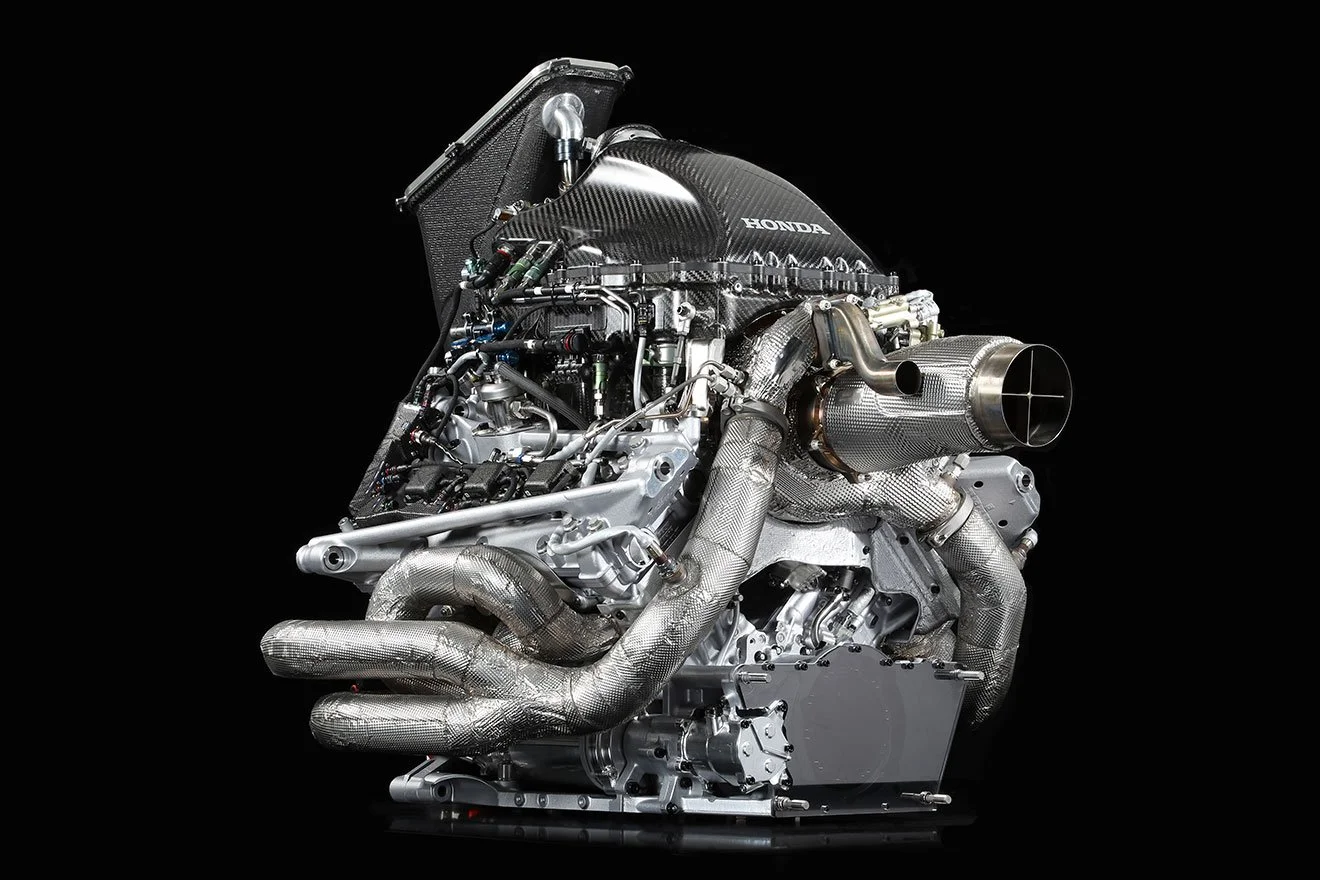
The 2022 engine in Formula 1 is a 1.6-liter turbo V6 hybrid that mainly relies on the combustion engine for power. It uses two hybrid systems called the MGU-H and MGU-K, which recover energy from heat and braking and then send it back to the wheels. This made the engine very powerful and efficient, but also very complex and expensive, which is why engine development was mostly frozen.
Old Power Unit
New Power Unit
The 2026 engines change the focus toward electric power and efficiency. The MGU-H is removed, and the MGU-K becomes much stronger, providing a large part of the car’s total power. These engines also use 100 percent sustainable fuel and have lower fuel flow, so drivers must manage energy carefully, making strategy and efficiency more important than just raw speed.