2026 Australian Grand Prix Foresight
TRACK OVERVIEW AND HISTORY
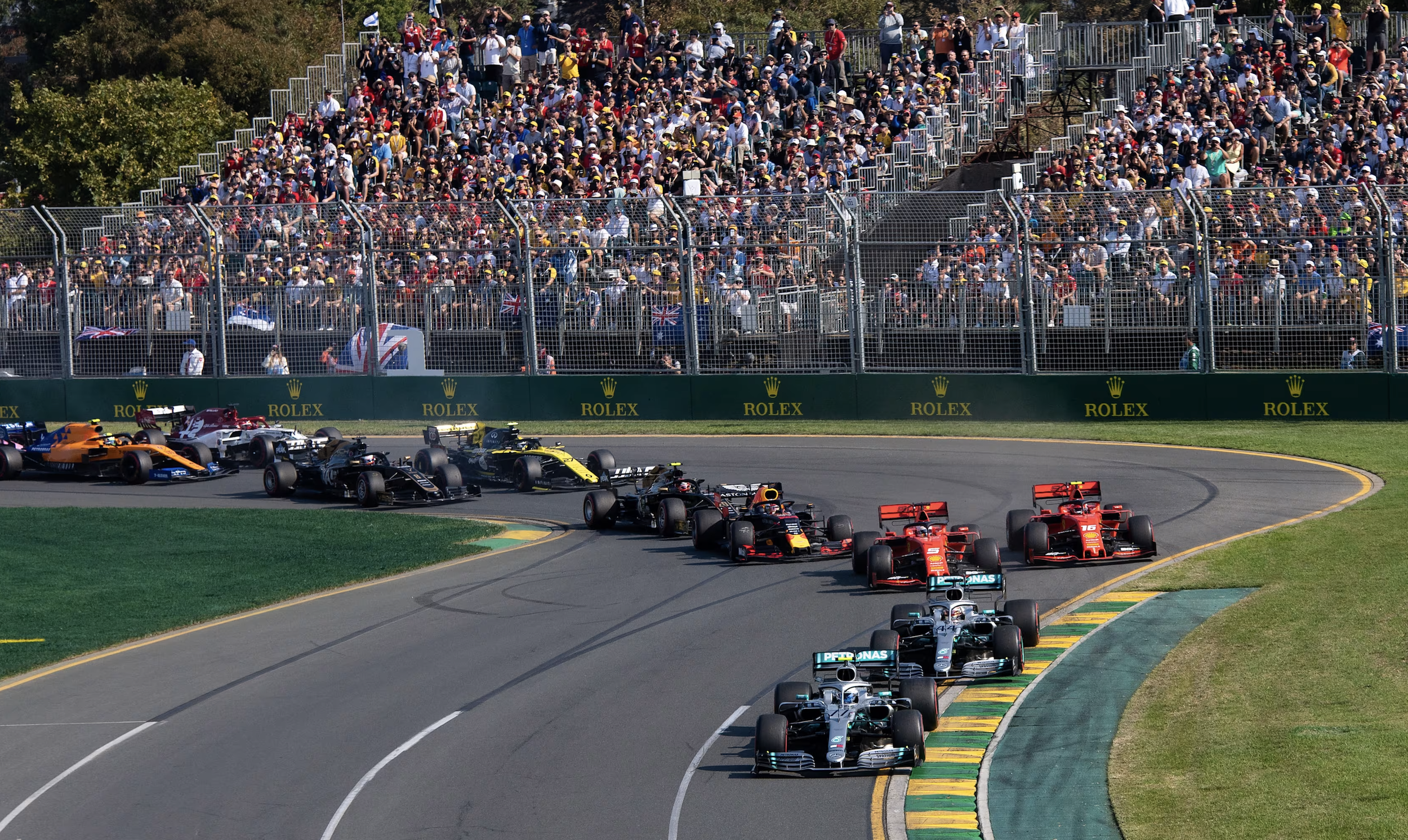
The Australian Grand Prix is one of the oldest motor races in the world, first held in 1928, and it became part of the Formula 1 World Championship in 1985. The race originally took place in Adelaide on a temporary street circuit, where it quickly gained a reputation for hosting dramatic season finales that often decided the title. In 1996, the event moved to Melbourne’s Albert Park Grand Prix Circuit, a semi-permanent track built around Albert Park Lake that combines public roads with dedicated racing sections, giving it the feel of both a street circuit and a traditional racetrack.
Today, the Australian Grand Prix is a key fixture of the Formula 1 calendar and has frequently served as the opening round of the season, setting the stage for new cars, drivers, and championship battles. The circuit measures about 5.278 km and features a mix of fast sweeping corners and heavy braking zones that create strong overtaking opportunities while rewarding precision and confidence. The race consistently attracts large crowds of over 400,000 spectators across the weekend and has delivered many memorable moments, making it a fan-favorite venue and an iconic start to the Formula 1 year.
Alonso Crash in 2016
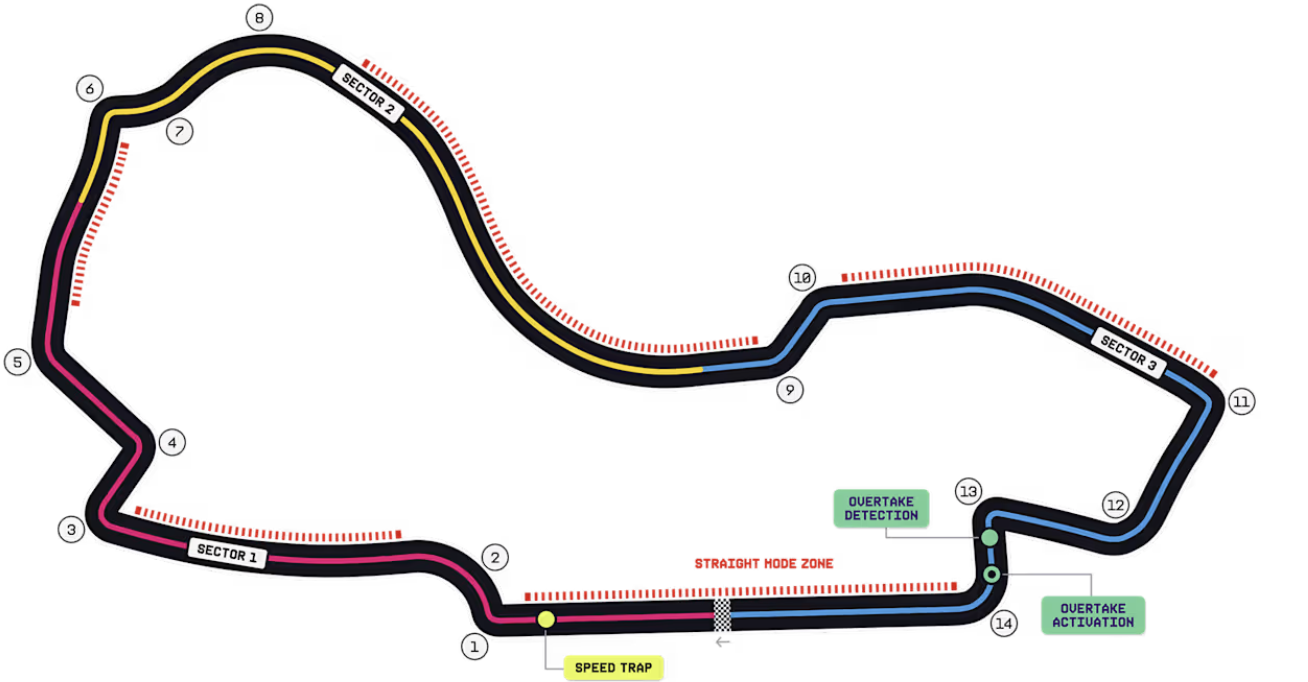
Official Australian Grand Prix Track Layout
The growing conflict involving Iran has created major logistical problems for Formula 1, even when races themselves are not directly affected. Because F1 relies heavily on Middle Eastern airline hubs to transport cars, freight, and hundreds of team personnel between races, airspace closures and security concerns have caused delays, rerouted flights, and major scheduling stress. When travel becomes unpredictable, teams lose valuable preparation time, freight can arrive late, and the tight back-to-back race calendar becomes even harder to manage.
Beyond travel, the instability also puts pressure on races held in the Gulf region, creating uncertainty around events like Bahrain and Saudi Arabia. Formula 1 operates on strict timelines and massive global coordination, so even small disruptions can impact testing, sponsorship events, and race-weekend planning. While the championship continues, the conflict adds tension, financial risk, and constant contingency planning, making an already intense season even more complicated for teams, drivers, and organizers.
IRAN

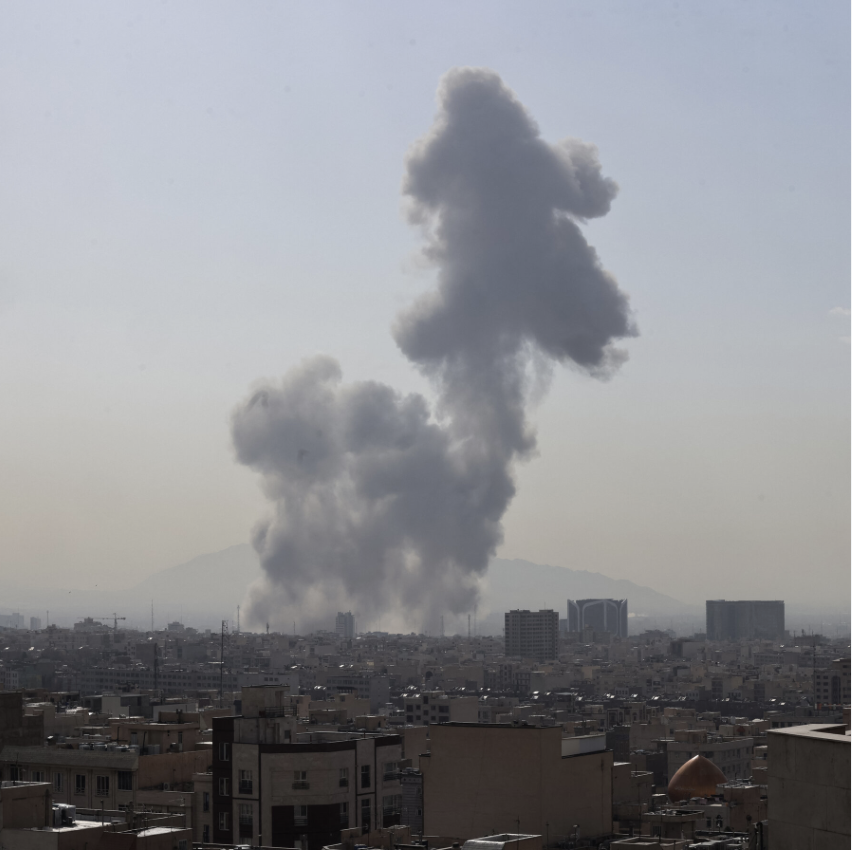
Meme Coming to Life
Iran war bombs
UPGRADES BROUGHT TO THE Australian GRAND PRIX
The Australian GP at Albert Park is very different from tracks like Baku because it is a fast, flowing semi-street circuit with long sweeping corners and heavy braking zones rather than endless straights. Teams must balance straight-line efficiency with strong front-end grip and stability through high-speed direction changes. Because it is early in the season, most updates are small refinements based on testing data rather than completely new aerodynamic concepts.
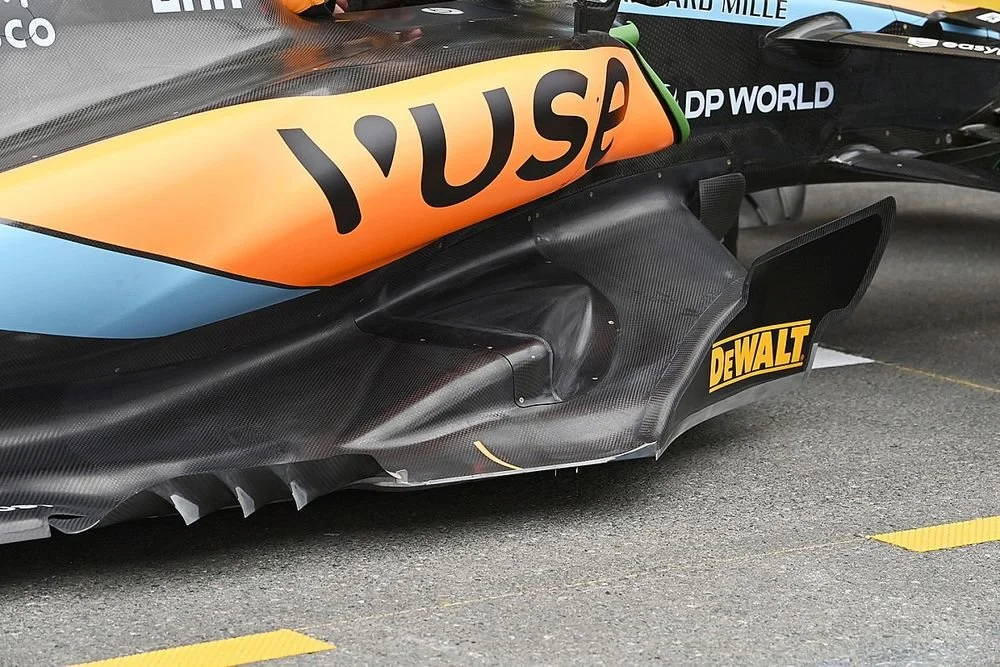
FLOOR (Under Body)
Teams fine-tune the floor edges and tunnel geometry to improve airflow consistency over Albert Park’s smooth but high-speed layout. Small changes help seal the floor better to the track surface, generating stable downforce through long corners without creating excess drag. These tweaks are about drivability and balance rather than outright peak performance.
EDGE WING / FLOOR DEFLECTORS
Adjustments around the rear floor corners manage how turbulent air leaves the car and feeds the diffuser. At Albert Park, this helps maintain rear stability during fast direction changes and traction zones coming out of medium-speed corners. The goal is cleaner airflow and confidence on throttle rather than maximum load.
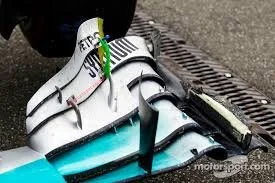
FRONT WING / FLAP CONFIGURATION
Teams often adjust front-flap angles to dial in turn-in response for Albert Park’s sweeping entries. Slightly higher load can help drivers attack corners, while still keeping drag low enough for the circuit’s short straights. These are setup-style aero changes that can vary session to session depending on grip levels.
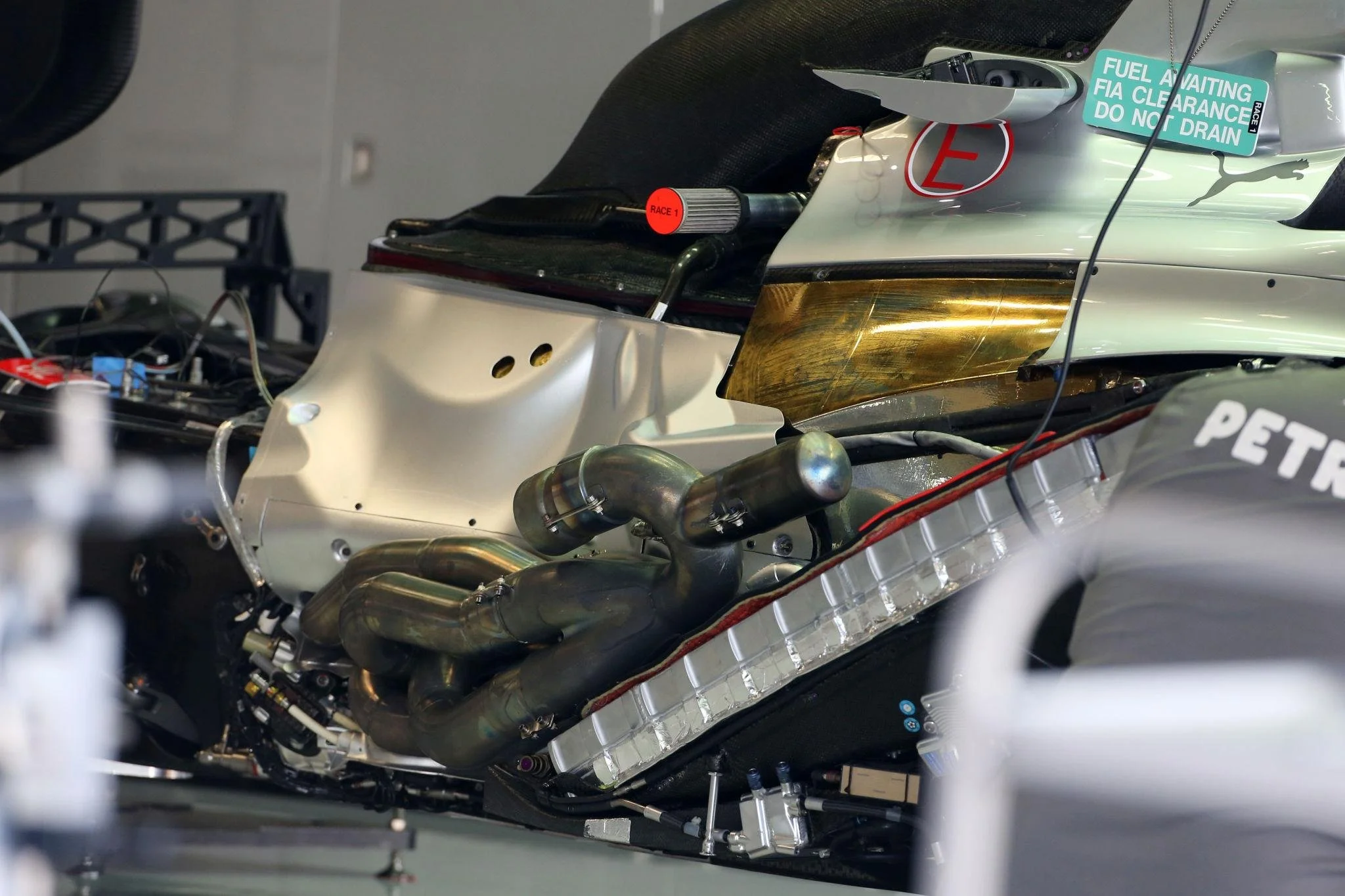
COOLING AND BODYWORK LOUVERS
Melbourne’s warm and variable conditions sometimes require revised cooling layouts, such as different louvre openings on the engine cover. These changes are not about downforce but about keeping power units and brakes in the ideal temperature window. Managing heat efficiently allows teams to run tighter bodywork elsewhere for better aerodynamic efficiency.


TIRE COMPOUNDS AND RACE STAGEY
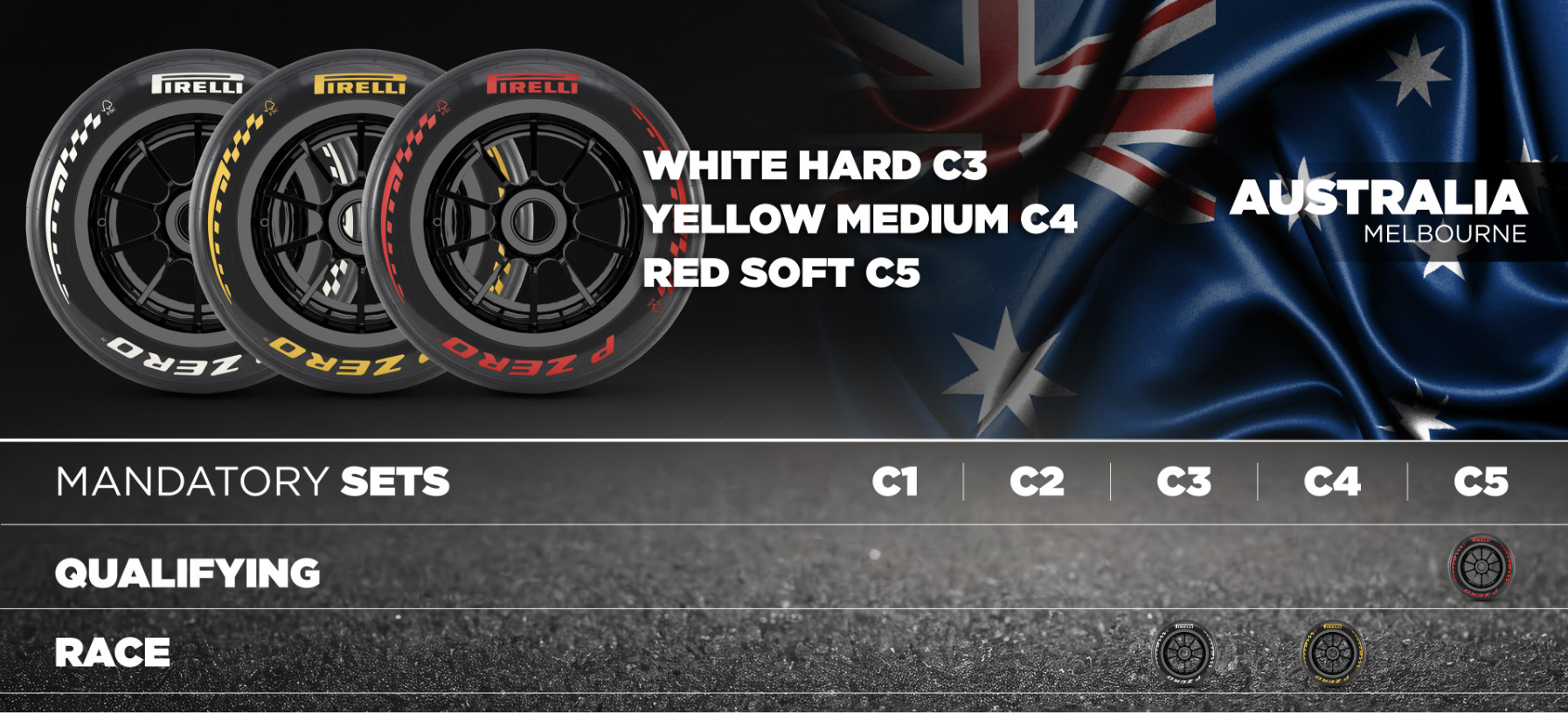
Most teams will likely use a two stop strategy in Australia because Albert Park usually creates moderate tire wear and rewards running the faster compounds without pushing them too long. A common approach would be medium to hard to hard, especially for teams focused on consistency and track position, while others may try soft to medium to hard if they want strong early pace and to gain positions at the start.
A one stop using medium to hard could happen if degradation is lower than expected, but it is risky because drivers would need to manage tires heavily and could lose time late in the race. A three stop is unlikely unless there are multiple safety cars that make extra pit stops cheaper. Overall, the most realistic prediction is that the majority of the field runs a two stop with slight variations depending on tire performance and race conditions.