2026 Canadian Grand Prix Foresight
Bahrain GP
Saudi Arabian Gp
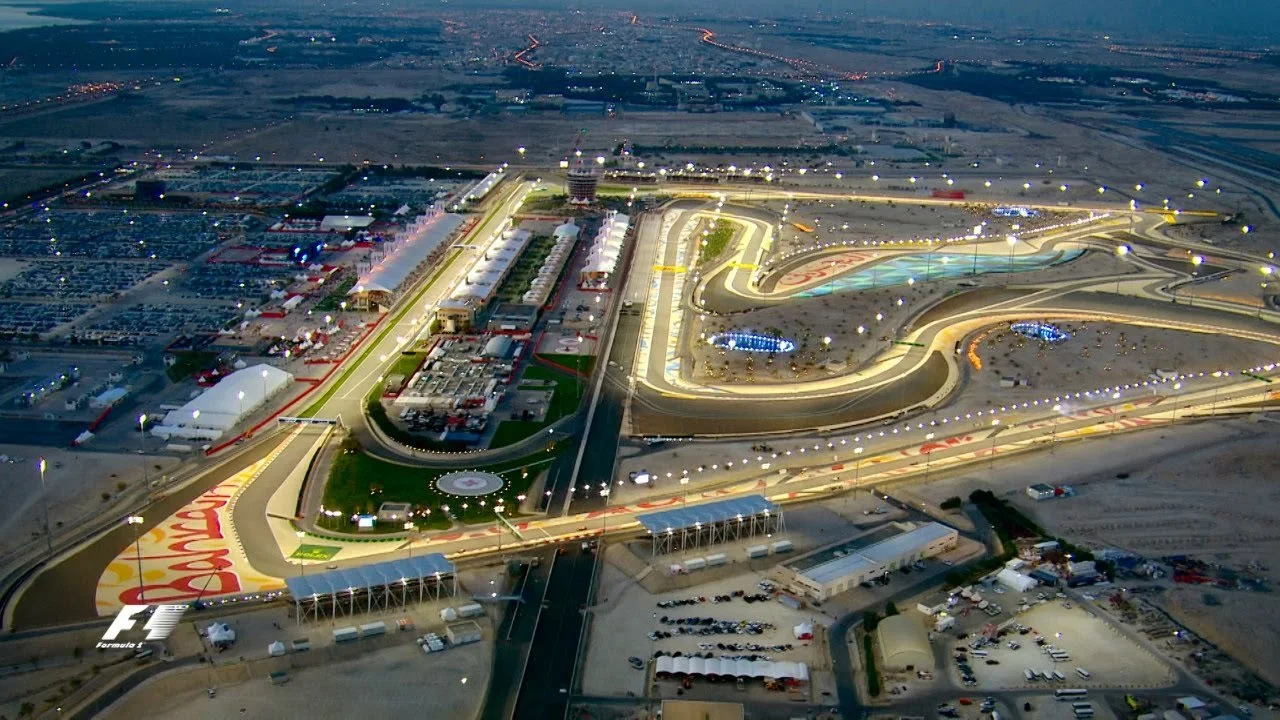
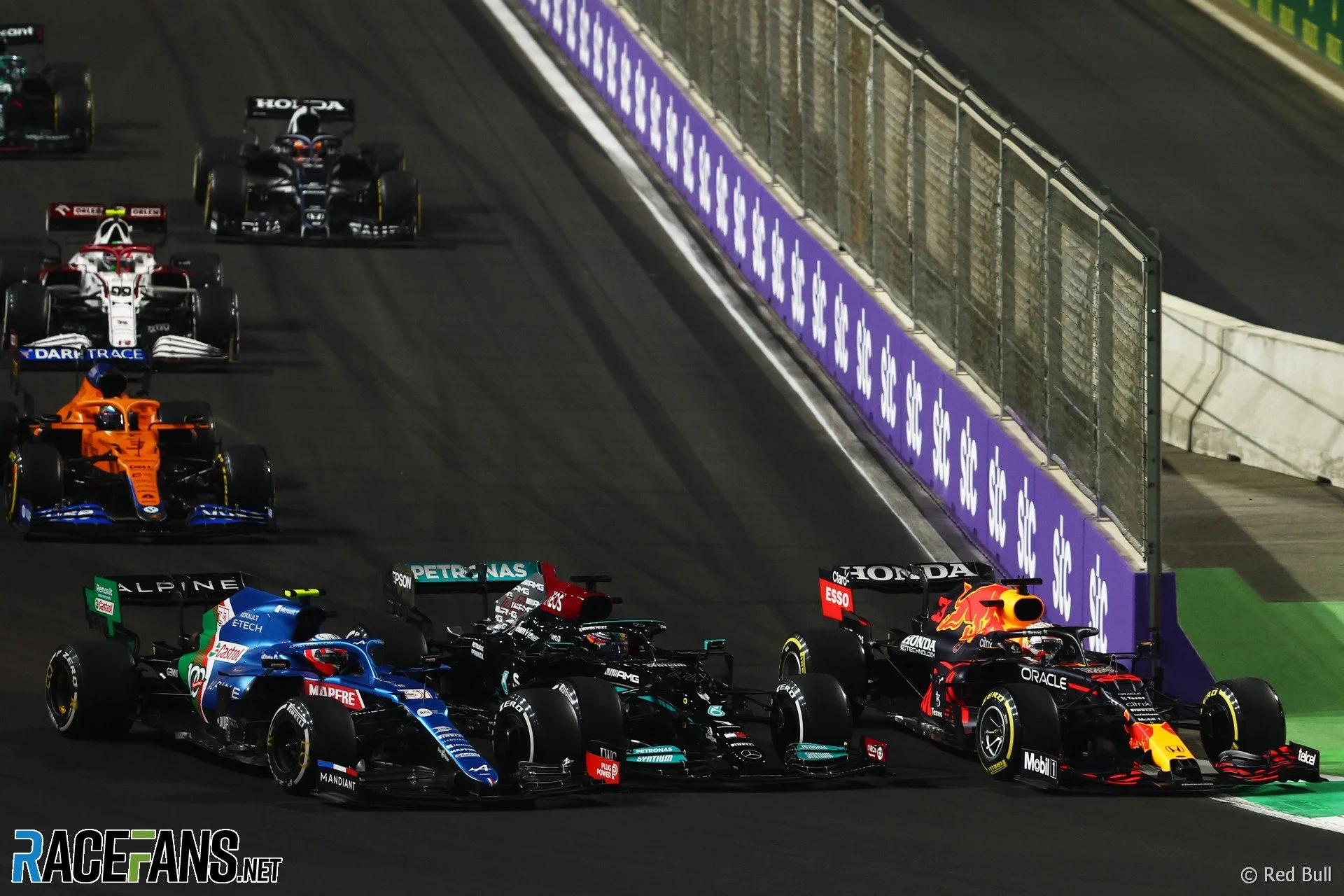
The cancellations of the Bahrain and Jeddah (Saudi Arabian) Grands Prix in 2026 were caused by major safety concerns due to conflict in the Middle East. After the outbreak of a war involving Iran, missile strikes and instability in the region made it unsafe for teams, drivers, and staff to travel and race there. Because of this, Formula 1 and the FIA decided to cancel both races, prioritizing safety over continuing the schedule.
These cancellations have a big impact on the season because Bahrain and Jeddah are early races that help shape the championship. Losing them means fewer races, fewer points opportunities, and a longer gap in the schedule, which can disrupt momentum for teams and drivers. It also affects fans and sponsors since these races are important events in the sport’s global calendar, and missing them slightly reduces the overall excitement and competitiveness of the season.
Race Cancellations due to Iran War
TRACK OVERVIEW AND HISTORY
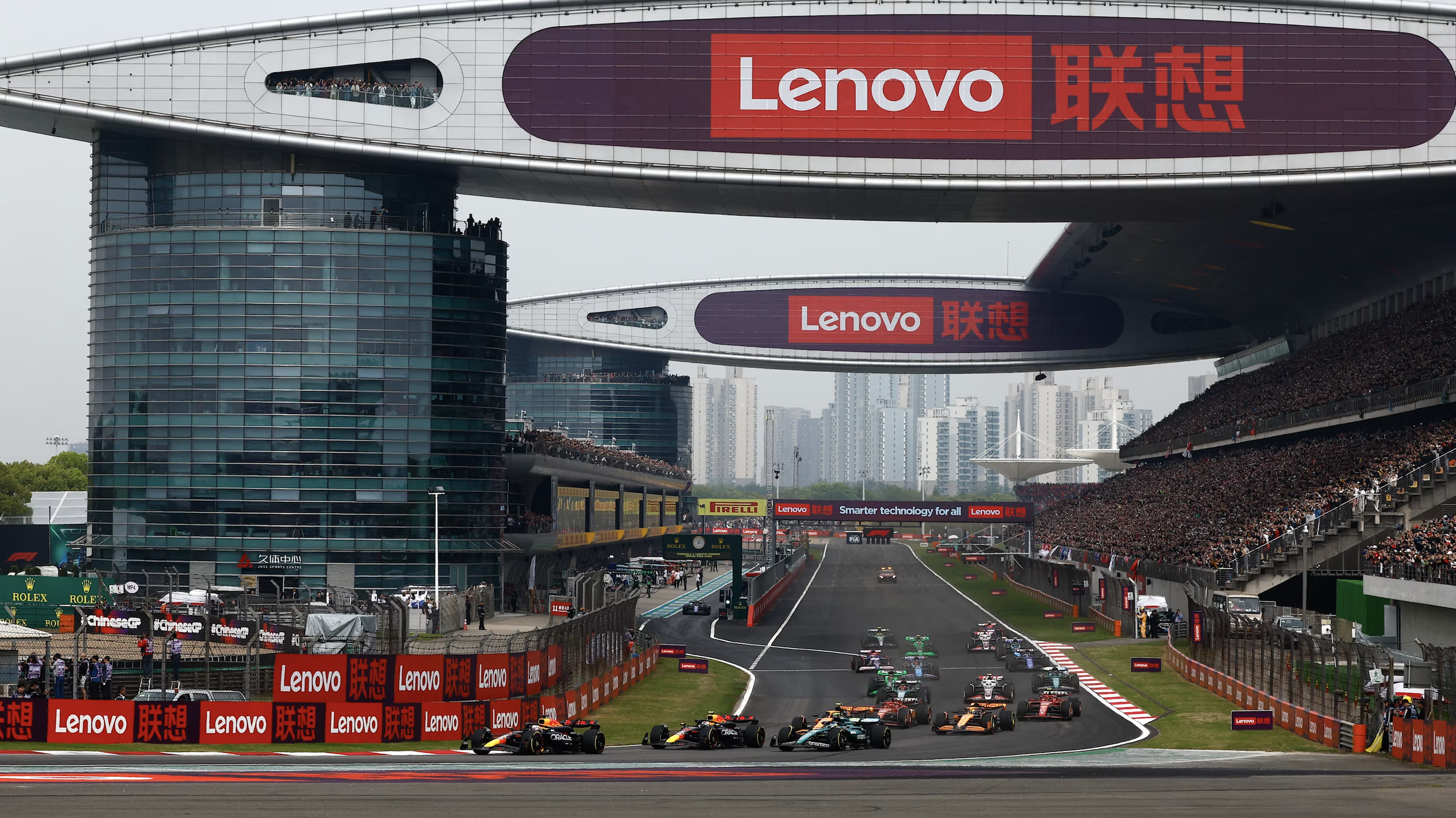
The Chinese Grand Prix takes place at the Shanghai International Circuit, which first hosted a Formula 1 race in 2004. The track was designed by Hermann Tilke and is known for its unique layout that is said to resemble the Chinese character “上,” meaning “above” or “ascend.” It quickly became a fan favorite because of its long back straight and technical corners that create good overtaking opportunities. Over the years, it has hosted many exciting races and has been an important stop on the F1 calendar.
Throughout its history, the Chinese Grand Prix has produced memorable moments and championship-deciding races. Drivers like Lewis Hamilton and Michael Schumacher have had strong performances there, and the track often rewards smart strategy because of tire wear and changing conditions. The race was not held from 2020 to 2023 due to COVID-19 restrictions in China, but it returned in 2024, showing its lasting importance to Formula 1. Overall, the Shanghai circuit remains a key and historic venue in the sport.
2025 footage
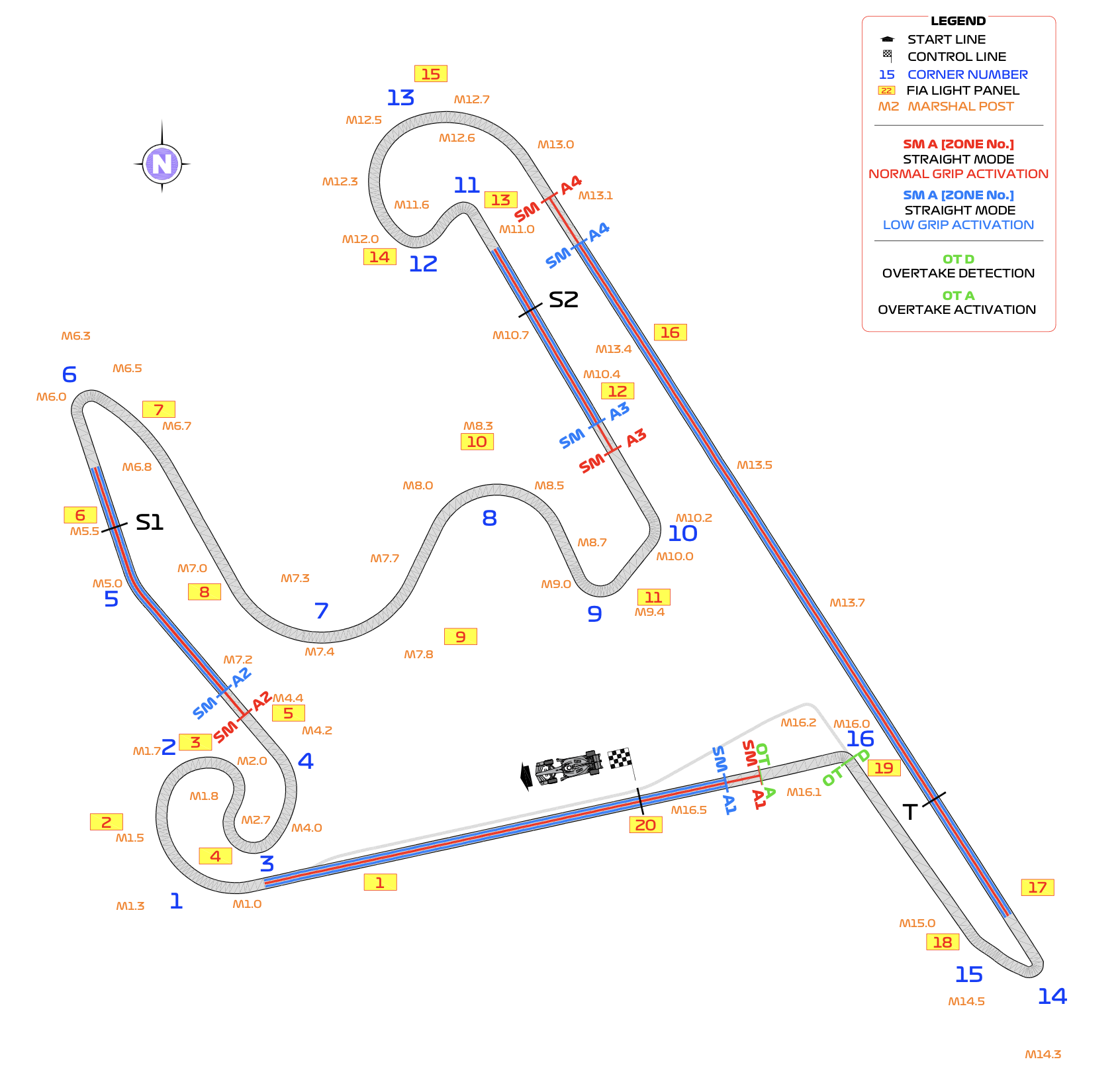
Official Chinese Grand Prix Track Layout
UPGRADES BROUGHT TO THE CHINESE GRAND PRIX
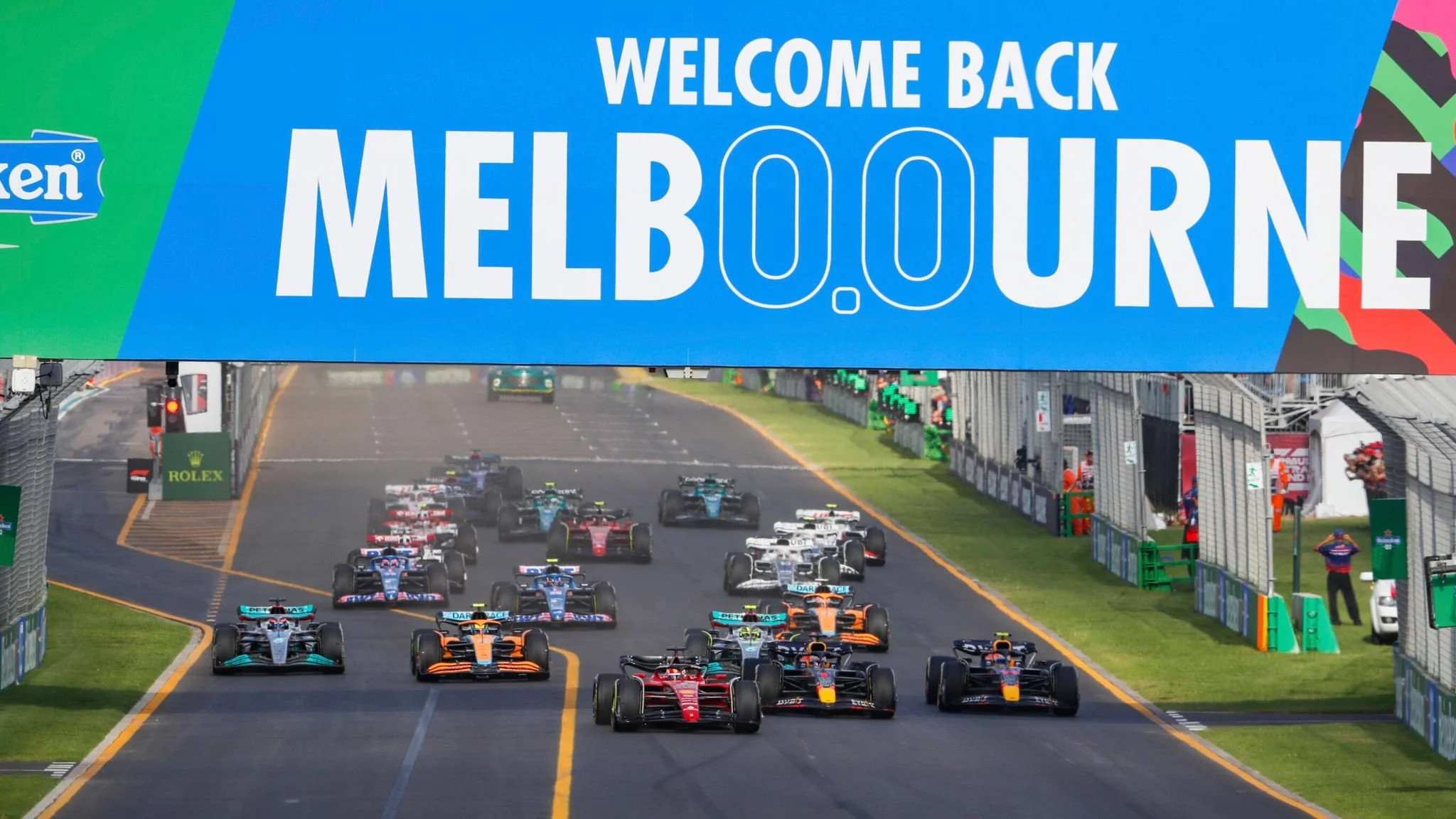
The Chinese Grand Prix at Shanghai International Circuit presents a very different challenge compared to Albert Park. It features long straights, heavy traction zones, and one of the longest corners in Formula 1, placing a premium on rear stability and tire management. Teams must balance low drag for straight-line speed with enough downforce to maintain grip through extended corners. Because of these demands, upgrades tend to focus on efficiency and consistency rather than outright peak downforce.
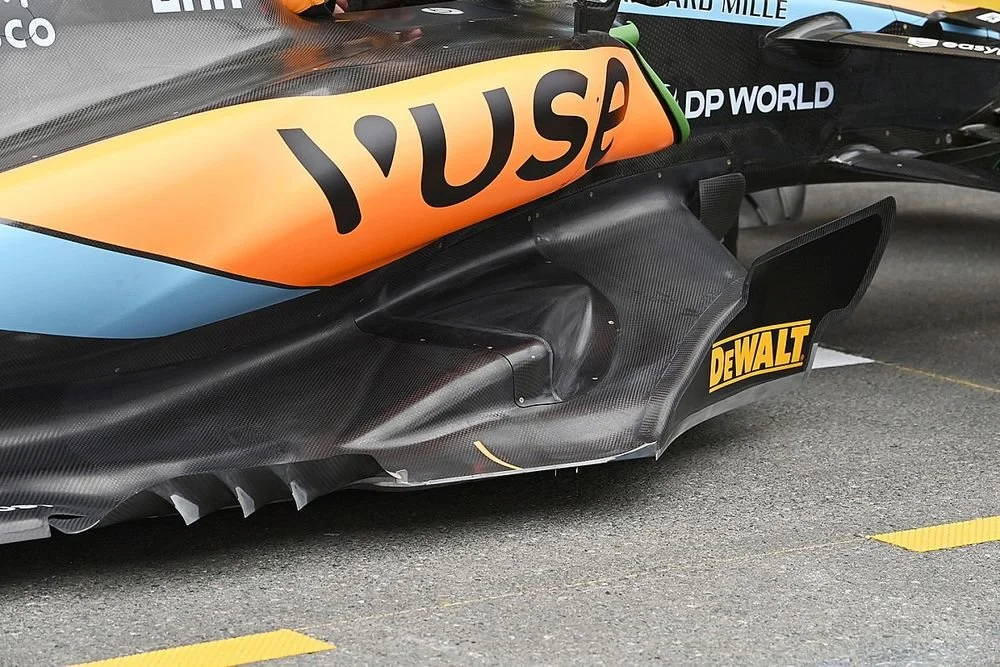
FLOOR (Under Body)
Teams refine the floor edges and tunnels to improve airflow stability through Shanghai’s long-duration corners, especially Turns 1 and 13. A stable floor platform helps maintain consistent downforce over time, which is critical for tire wear. Small changes aim to reduce sensitivity when the car rotates for long periods, improving driver confidence and minimizing degradation rather than maximizing peak load.
EDGE WING / FLOOR DEFLECTORS
Adjustments around the floor edge and rear corner help control how airflow feeds into the diffuser, especially under acceleration out of slow corners. In Shanghai, this is important for traction onto the long back straight. Cleaner airflow improves rear stability and reduces sliding, helping drivers apply throttle earlier without overheating the rear tires.
FRONT WING / FLAP CONFIGURATION
Front wing setups are tuned to handle the long, tightening opening corners that demand strong front-end grip. Teams often run slightly higher front load to improve turn-in and reduce understeer through extended corners. However, they must still limit drag to remain competitive on Shanghai’s long straights, making this a careful balance between responsiveness and efficiency.
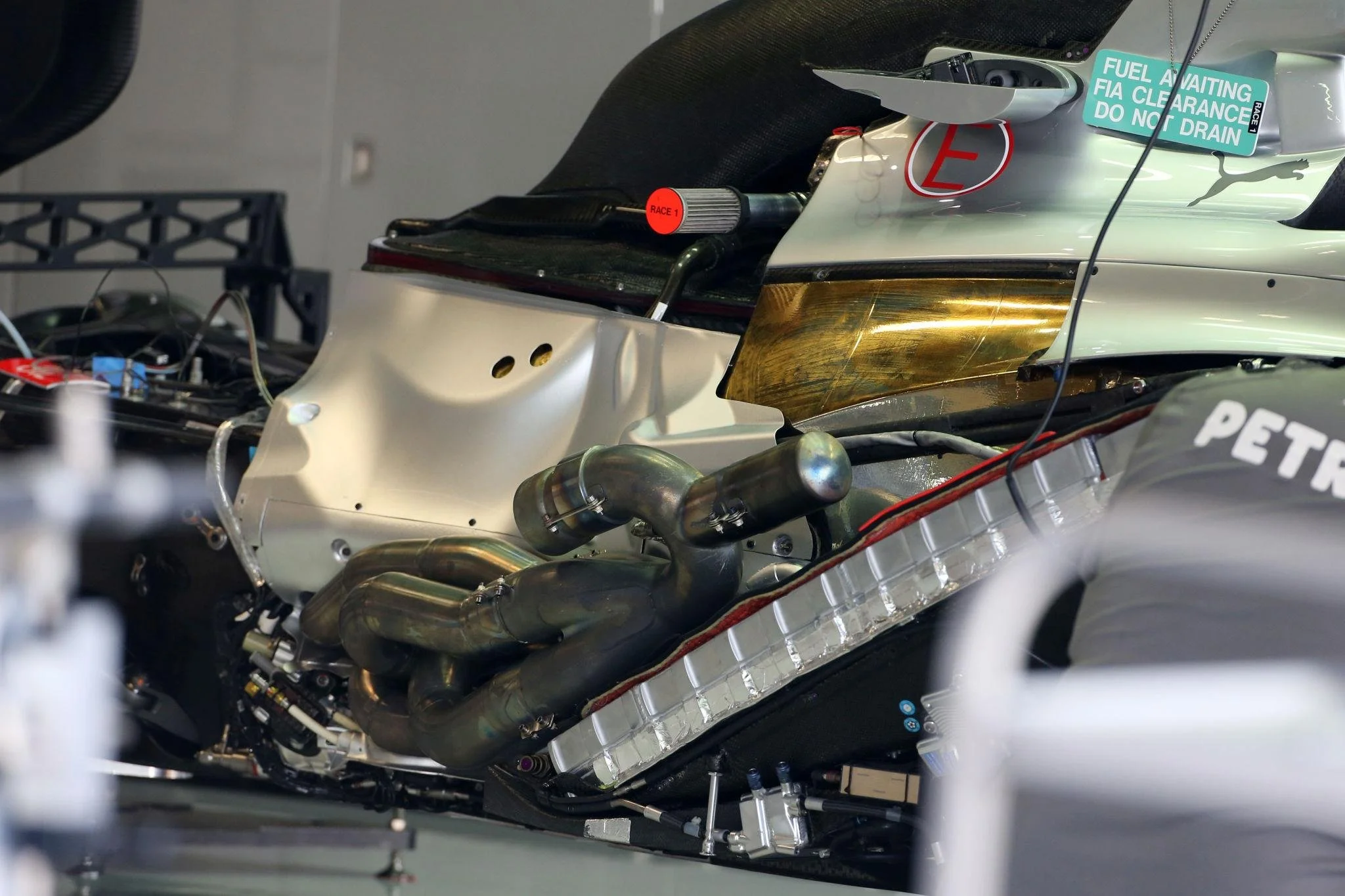
COOLING AND BODYWORK LOUVERS
Shanghai’s variable temperatures and long straights can stress both power units and braking systems. Teams may open up cooling slightly to manage sustained loads, especially under heavy braking zones. Efficient cooling allows tighter bodywork elsewhere, helping maintain aerodynamic performance while ensuring reliability over long stints.

TIRE COMPOUNDS AND RACE STAGEY
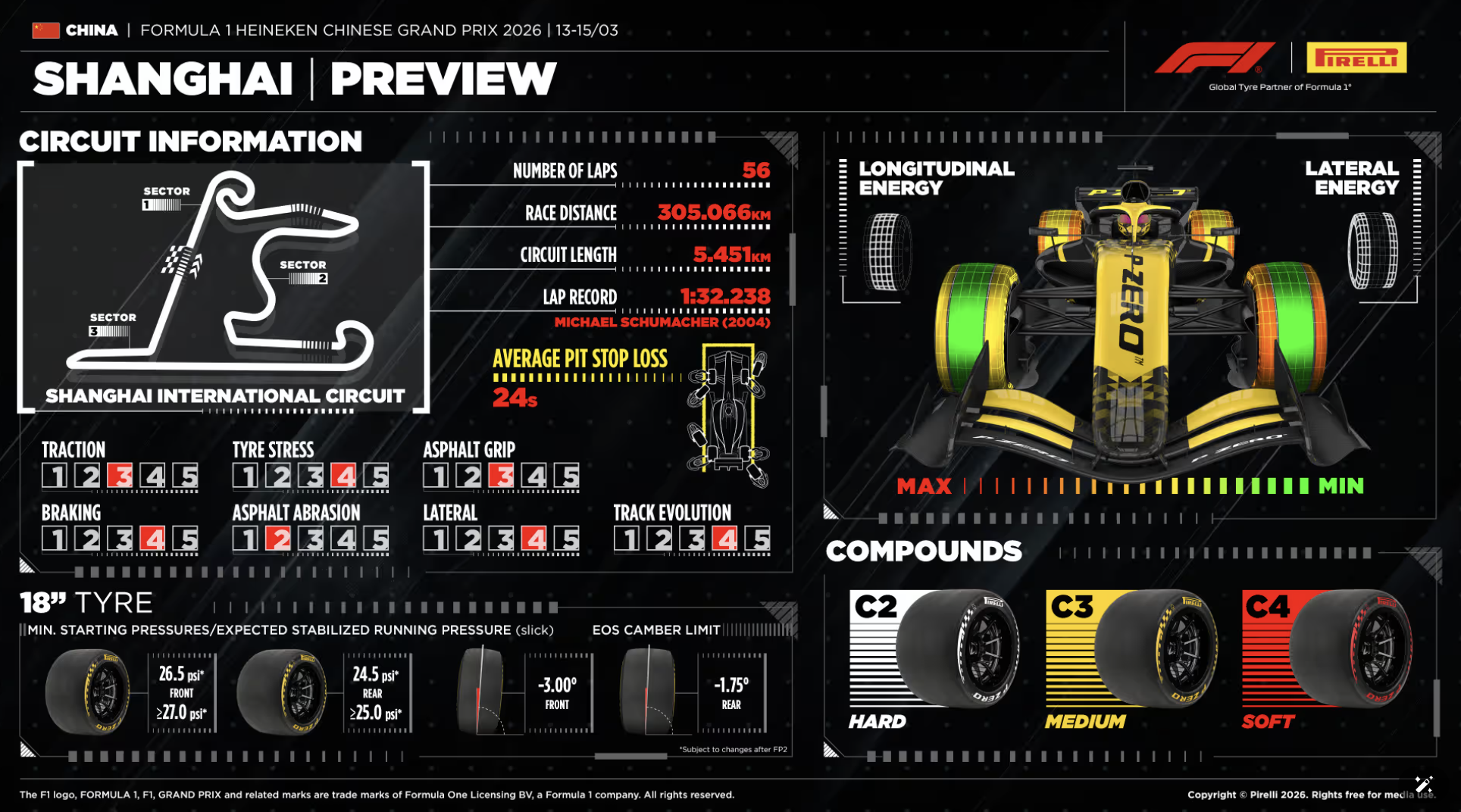
For this weekend, Pirelli is expected to bring a mid-range compound selection, likely the C2 (hard), C3 (medium), and C4 (soft). Shanghai’s layout, with its long corners and heavy traction zones, puts a lot of stress on the front tires, especially the front-left. Tire management will be important, as degradation builds gradually over long stints rather than dropping off suddenly.
A one-stop strategy is possible at Shanghai, but many teams may prefer a two-stop to keep performance consistent and avoid excessive front tire wear. The long corners like Turns 1 and 13 make it easy to overheat the tires, especially in warmer conditions. Strategy will depend on track temperature and grip, with teams needing to stay flexible throughout the race.
