
2026 Constructors Championship Predictions
11. CADILLAC
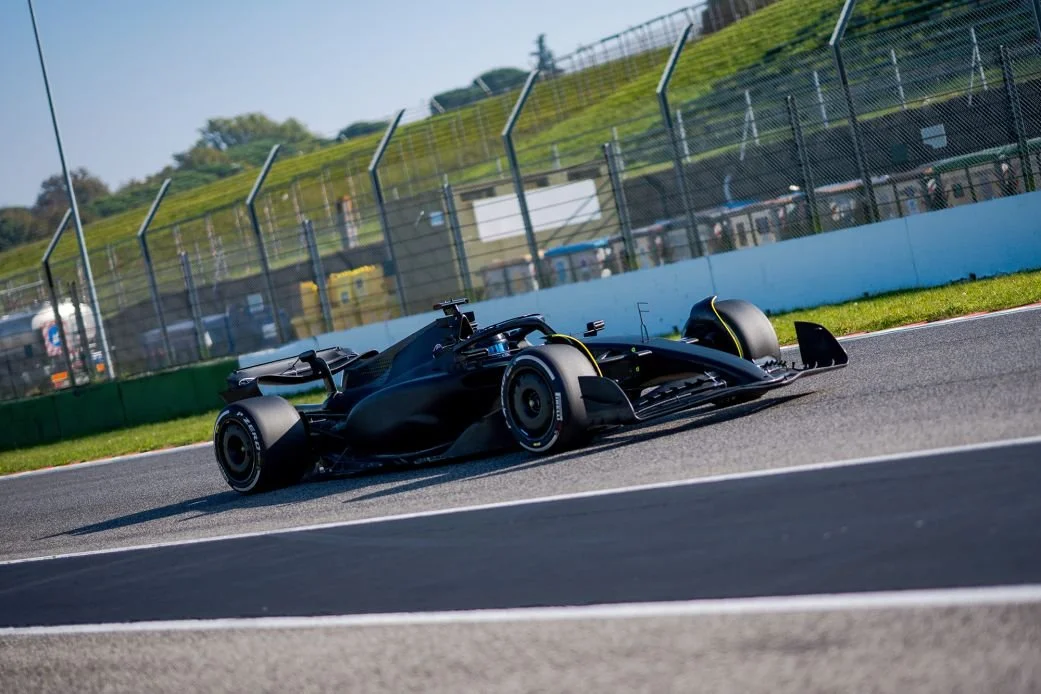
Cadillac ends 2026 in last place as a brand-new Formula 1 team. Even with strong funding, the learning curve in aerodynamics, strategy, and race operations is massive. Mistakes early in the season are unavoidable. The car improves as data is gathered. Their real focus is building a foundation for future years, not immediate results.
10. Haas
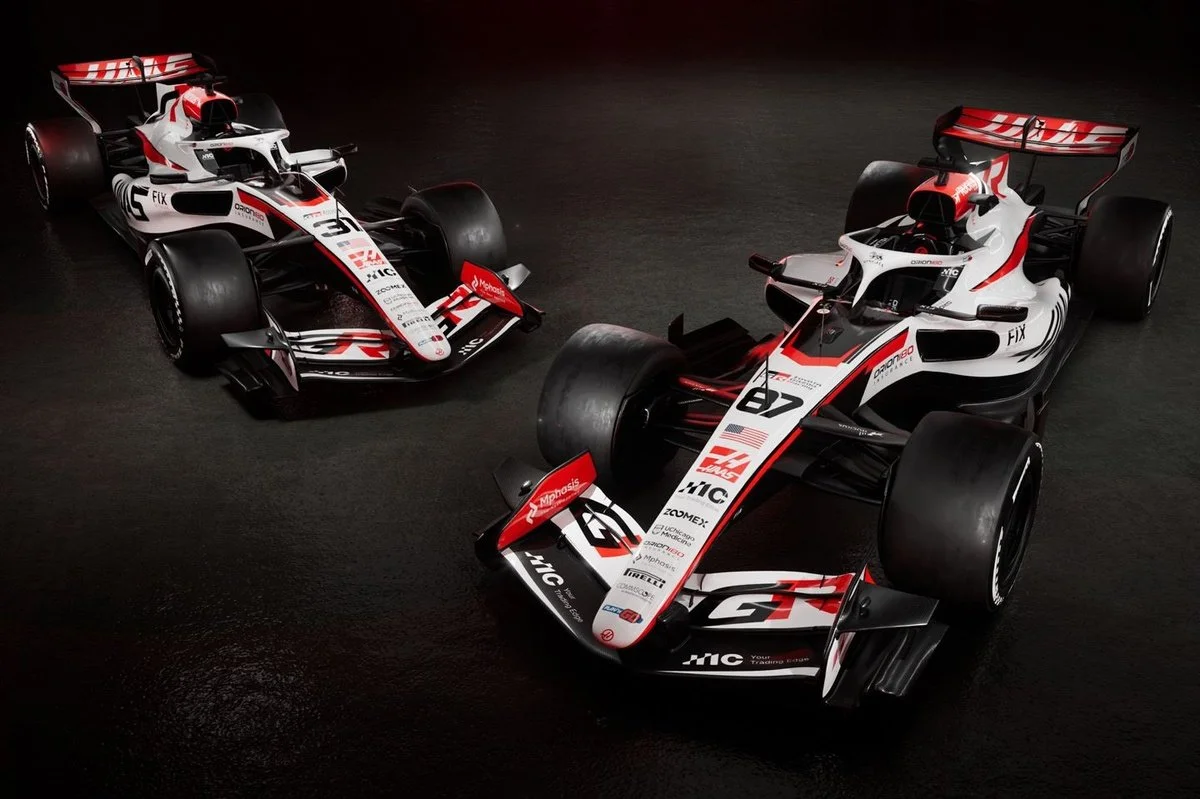
Haas finishes tenth because they take a conservative approach to development. Relying on external components keeps costs down but limits innovation. The car is reliable and straightforward to run. Unfortunately, it lacks the pace to fight consistently in the midfield. Points finishes are rare and situational.
9. Williams
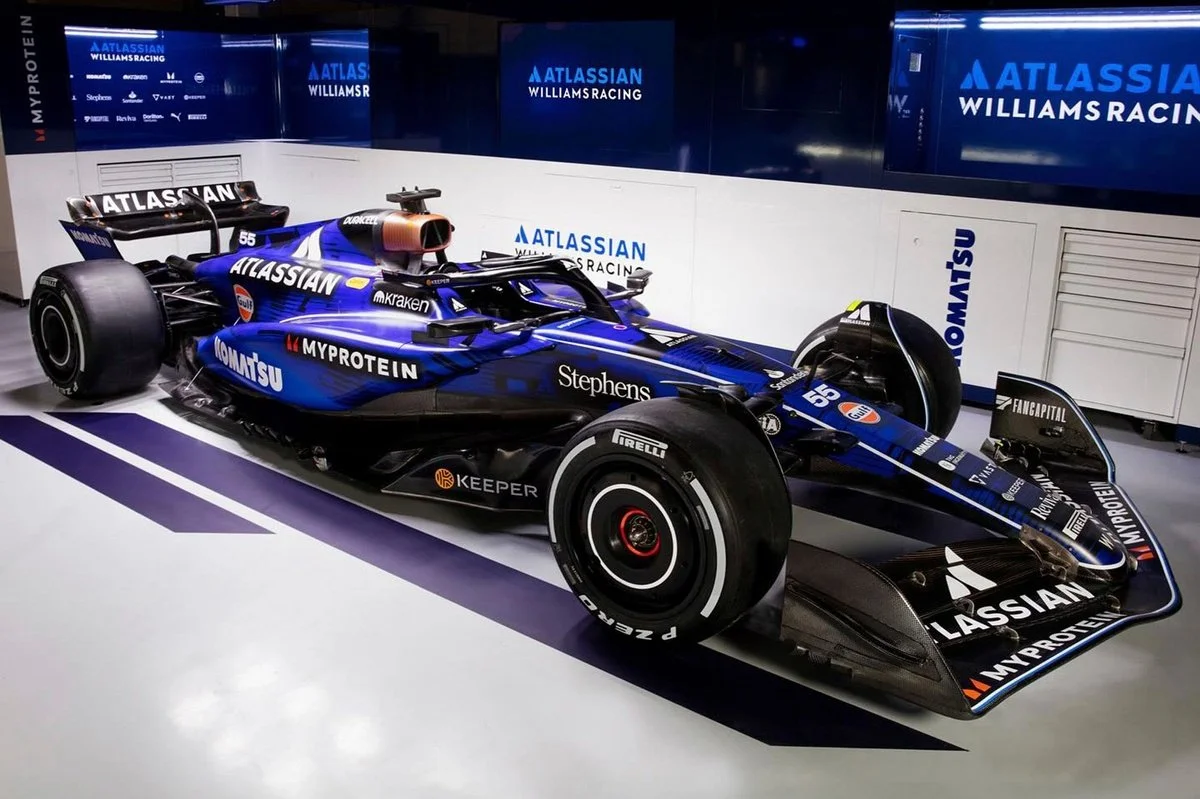
Williams places ninth as they continue their long rebuild under the new regulations. The car is more competitive on power-sensitive tracks and in clean air. However, downforce levels and tire management remain weaknesses. They score points occasionally but struggle in tight midfield fights. That leaves them just ahead of the backmarkers.
8. Audi
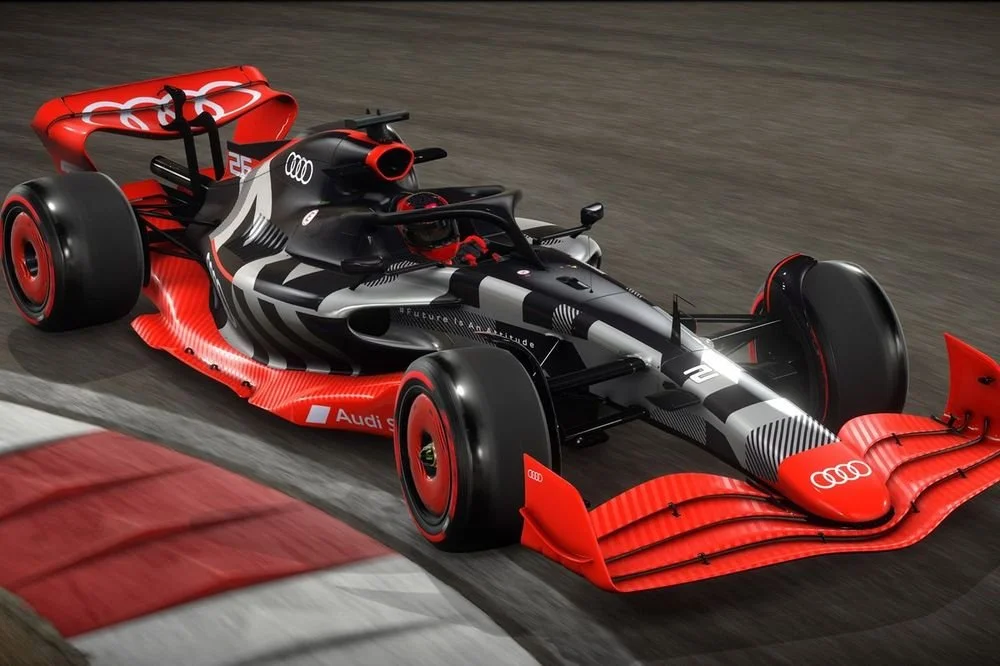
Audi finishes eighth in their first season as a full works team. Building a new power unit and team structure at the same time is extremely difficult. Early reliability issues and setup problems cost them points. The potential is clear, and performance improves as the season goes on. Still, 2026 is more about learning than results.
7. Alpine
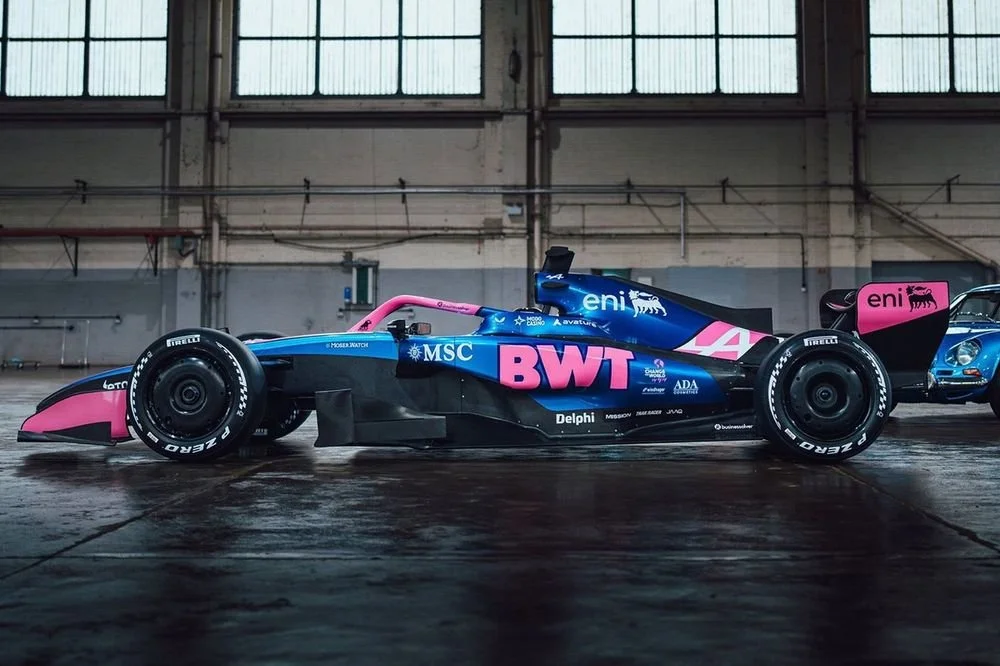
Alpine ends seventh with a car that shows flashes of speed but struggles to be consistent. The switch to Mercedes power improves reliability and straight-line performance. However, internal instability and slow development cycles hurt their progress. Some weekends they look competitive, others they fall back. That inconsistency keeps them stuck in the lower midfield.
6. Racing Bulls
Racing Bulls finishes sixth by focusing on efficiency and consistency rather than outright pace. They benefit from Red Bull technology, which gives them a solid and reliable car. The team executes race weekends well and avoids major mistakes. Budget and development limits stop them from fighting the front runners. Even so, they comfortably lead the midfield pack.
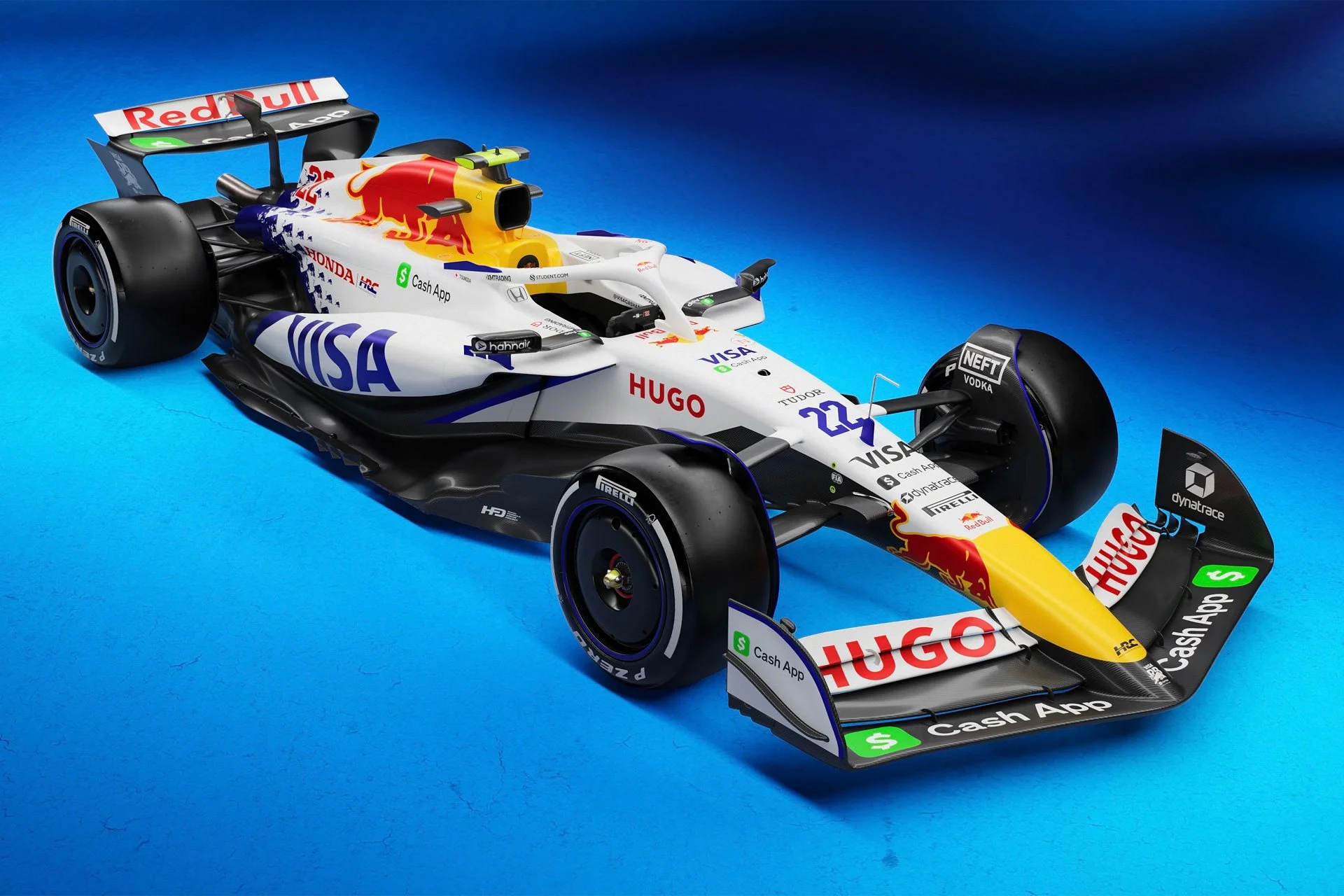
5. Aston Martin
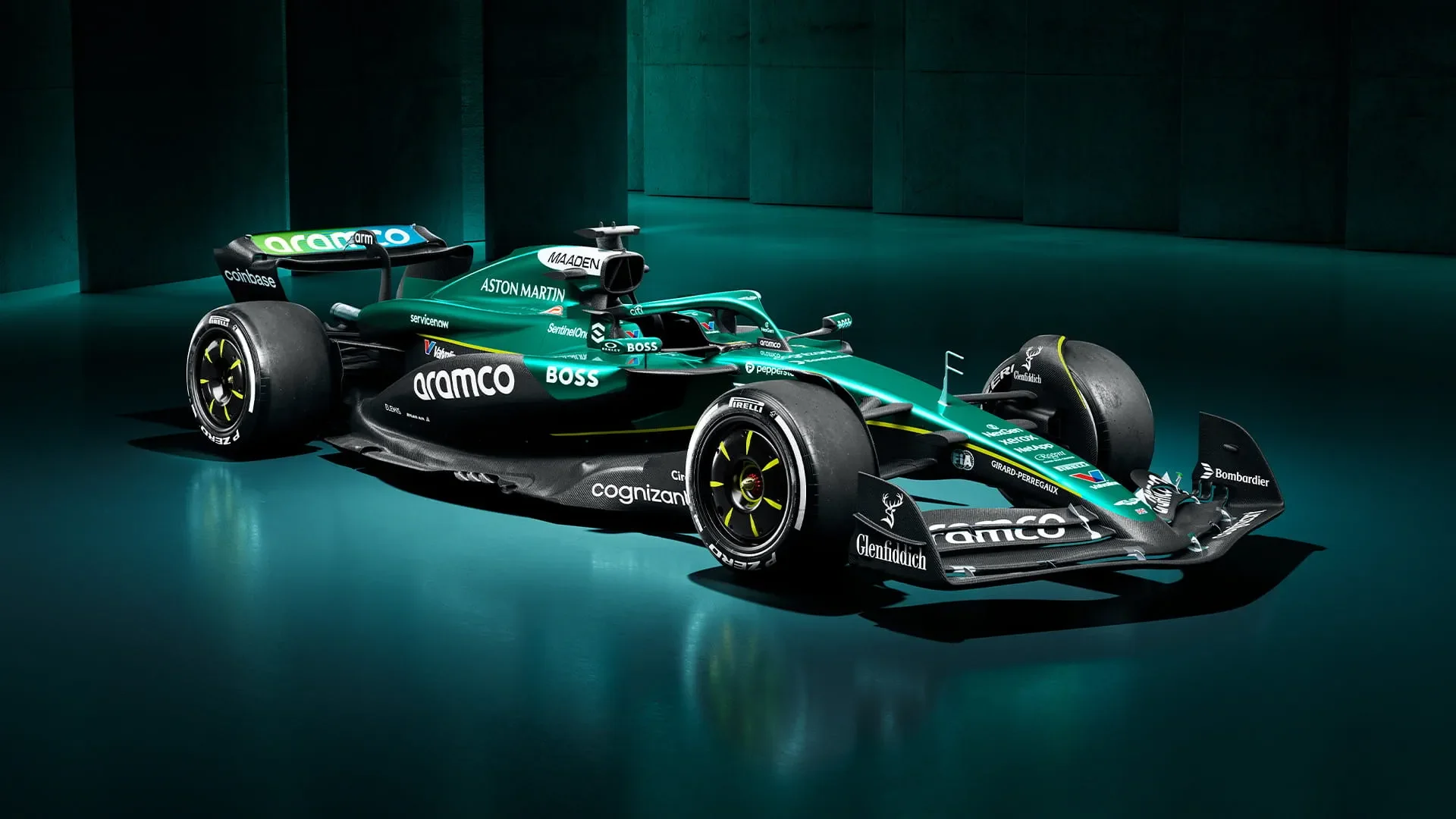
Aston Martin takes fifth as their long-term investment finally shows real results. The car is consistently in the points and occasionally challenges the top teams on the right weekends. Their facilities and technical leadership help close the gap. However, they lack the depth and refinement of the biggest factory teams. That keeps them firmly in the upper midfield.
4. Ferrari
Ferrari finishes fourth after another season that shows promise but also frustration. Their car is quick, especially on high-speed tracks, and the power unit should be competitive. However, strategy calls and uneven development hurt them across the year. They pick up podiums and possibly a few wins. Still, too many missed opportunities stop them from fighting the top three.
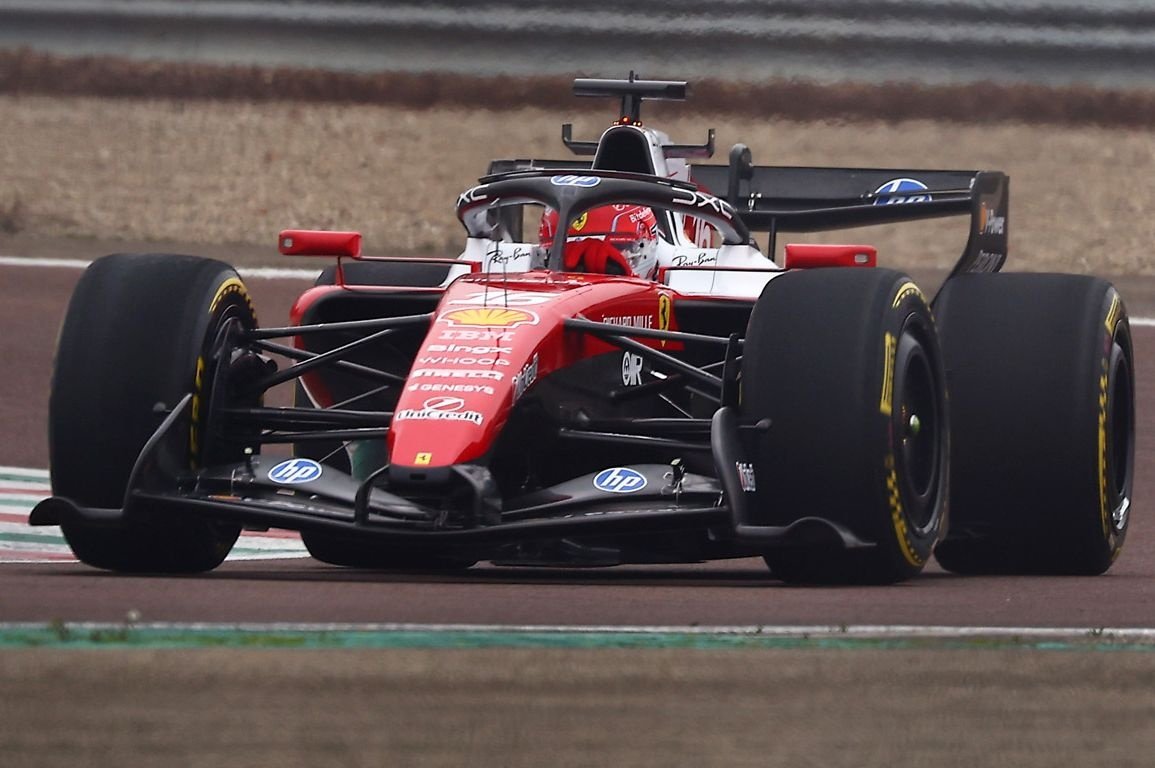
3. Red Bull Racing
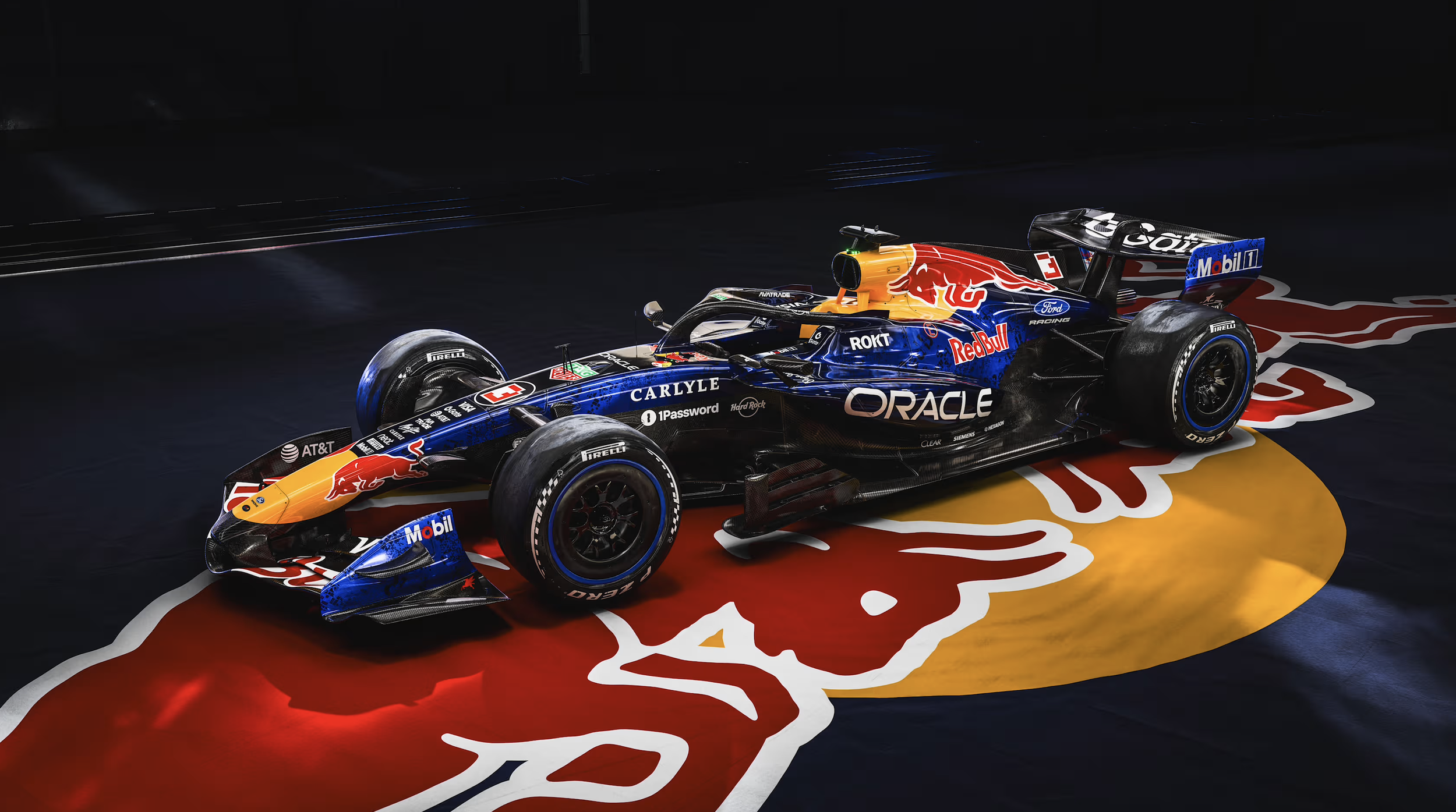
Red Bull ends up third mainly because 2026 is their first true season running their own power unit with Ford. The chassis will still be competitive, and their drivers will push the car to its limits. Early reliability or energy-deployment issues could cost them valuable points at the start of the season. Even with those challenges, strong race pace and smart strategy keep them near the front. They remain a top team, just not the dominant force.
2. McLaren
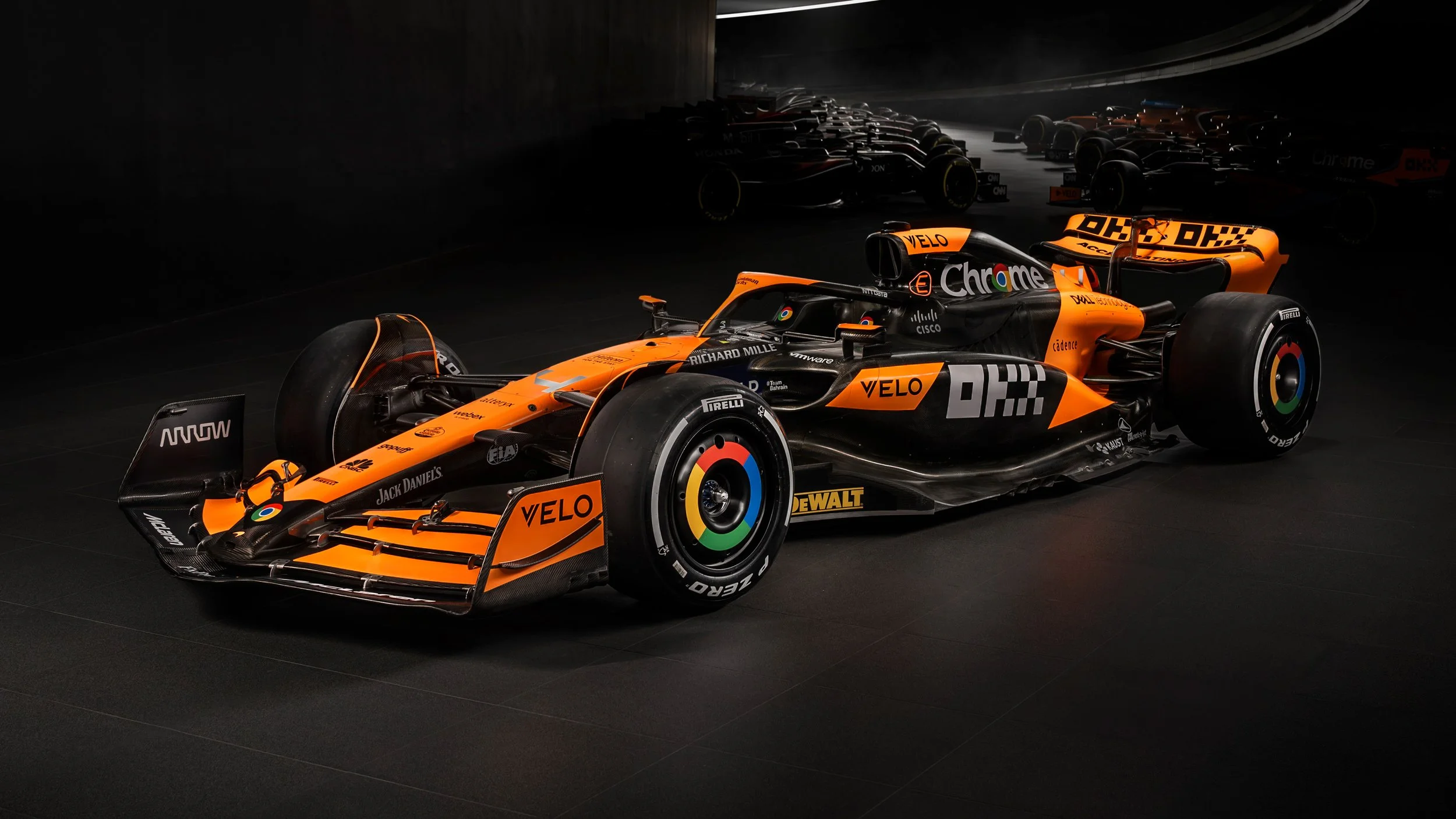
McLaren finishes second thanks to excellent aerodynamic development and one of the strongest driver pairings in Formula 1. In recent seasons, they’ve proven they can bring effective upgrades quickly and react well when the rules change. The Mercedes power unit gives them strong straight-line performance and reliability. However, not being a full factory team slightly limits how tightly they can integrate the car and engine. That small gap keeps them just behind Mercedes.
1. Mercedes
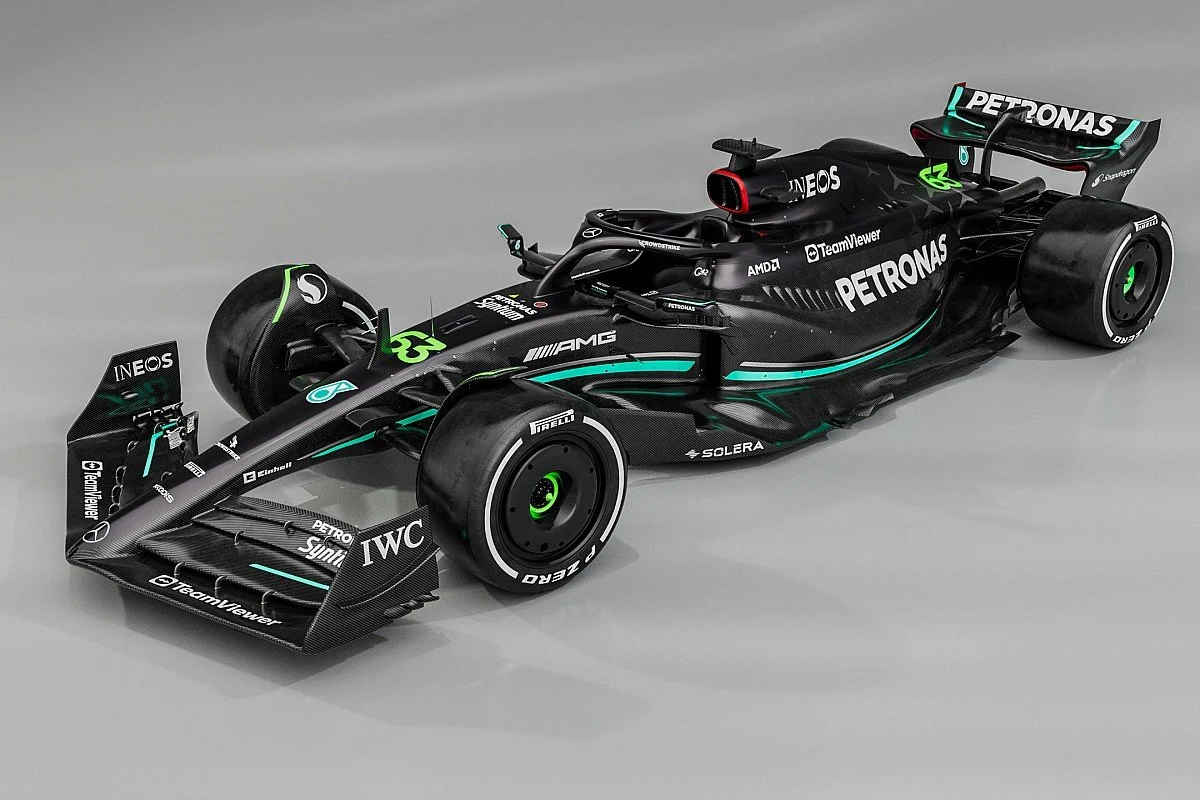
Mercedes takes first in 2026 because the new rules heavily reward power-unit efficiency and energy recovery, two areas where Mercedes usually excels. They have a long history of getting regulation changes right early, which often gives them a big advantage before other teams catch up. Their engine program should be the benchmark of the grid. On top of that, their race execution is usually cleaner and more consistent than most rivals. Over a full season, that consistency adds up to a championship.