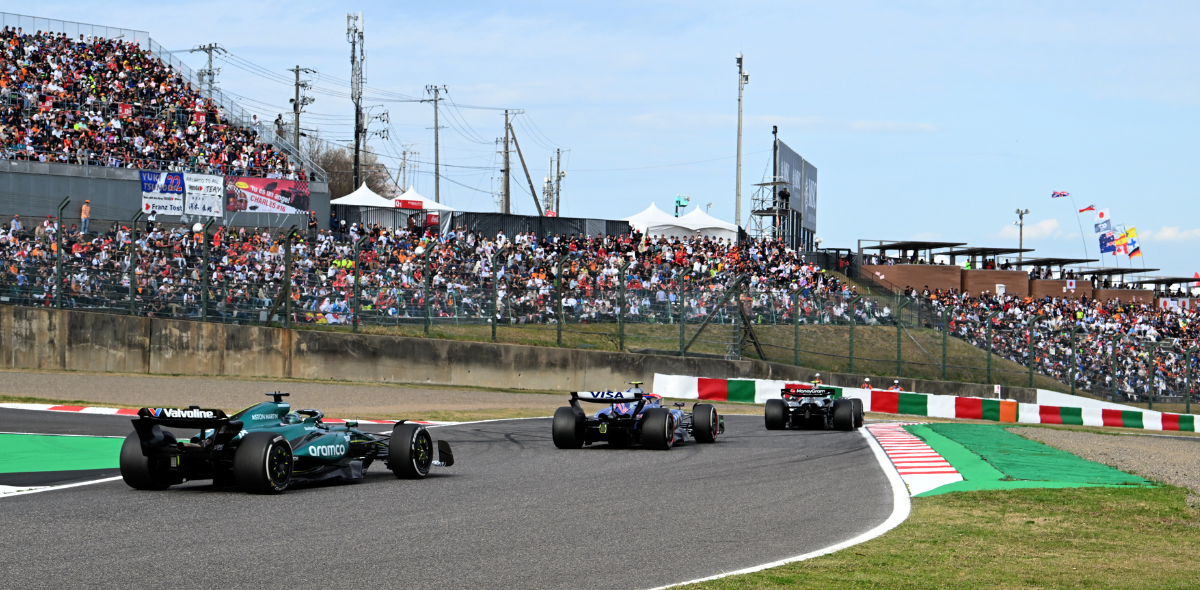

2026 Japan Grand Prix Foresight
TRACK OVERVIEW AND HISTORY
The Japanese Grand Prix is one of the most celebrated events on the Formula 1 calendar, with the country's motorsport roots stretching back to 1963. The early Japanese Grands Prix were held at Fuji Speedway in 1976 and 1977, but the race was dropped and didn't return for another decade. When it did come back, it found its permanent home at the iconic Suzuka Circuit, a track originally designed in 1962 by Dutch architect John Hugenholtz as a Honda test facility. Suzuka hosted its first Formula One Grand Prix in 1987 and has been the home of the Japanese Grand Prix ever since, quickly establishing itself as the stage for some of the sport's most dramatic moments. None more so than the legendary rivalry between Ayrton Senna and Alain Prost, whose controversial collisions in 1989 and 1990 remain among the most talked-about incidents in F1 history.
What makes Suzuka truly special is its one-of-a-kind figure-of-eight layout, stretching 5.807 kilometers across 18 turns, complete with a crossover bridge where one section of the circuit passes over another, something you won't find anywhere else on the calendar. The track's most celebrated sections include the flowing S Curves, the technically demanding Spoon Curve, and the breathtaking 130R, a flat-out corner where drivers carry nearly 310 km/h through a left-hander that separates the committed from the cautious. As of 2026, thirteen World Champions have been crowned at Suzuka, a testament to its status as the ultimate proving ground. The most recent race, held on March 29, 2026, added another memorable chapter when teenage Mercedes driver Kimi Antonelli converted pole into victory, becoming the youngest championship leader in the sport's history at just 19 years old. With its unmatched technical demands and rich history, and remains one of the most import tracks in Formula 1 history.
How to Master Suzuka
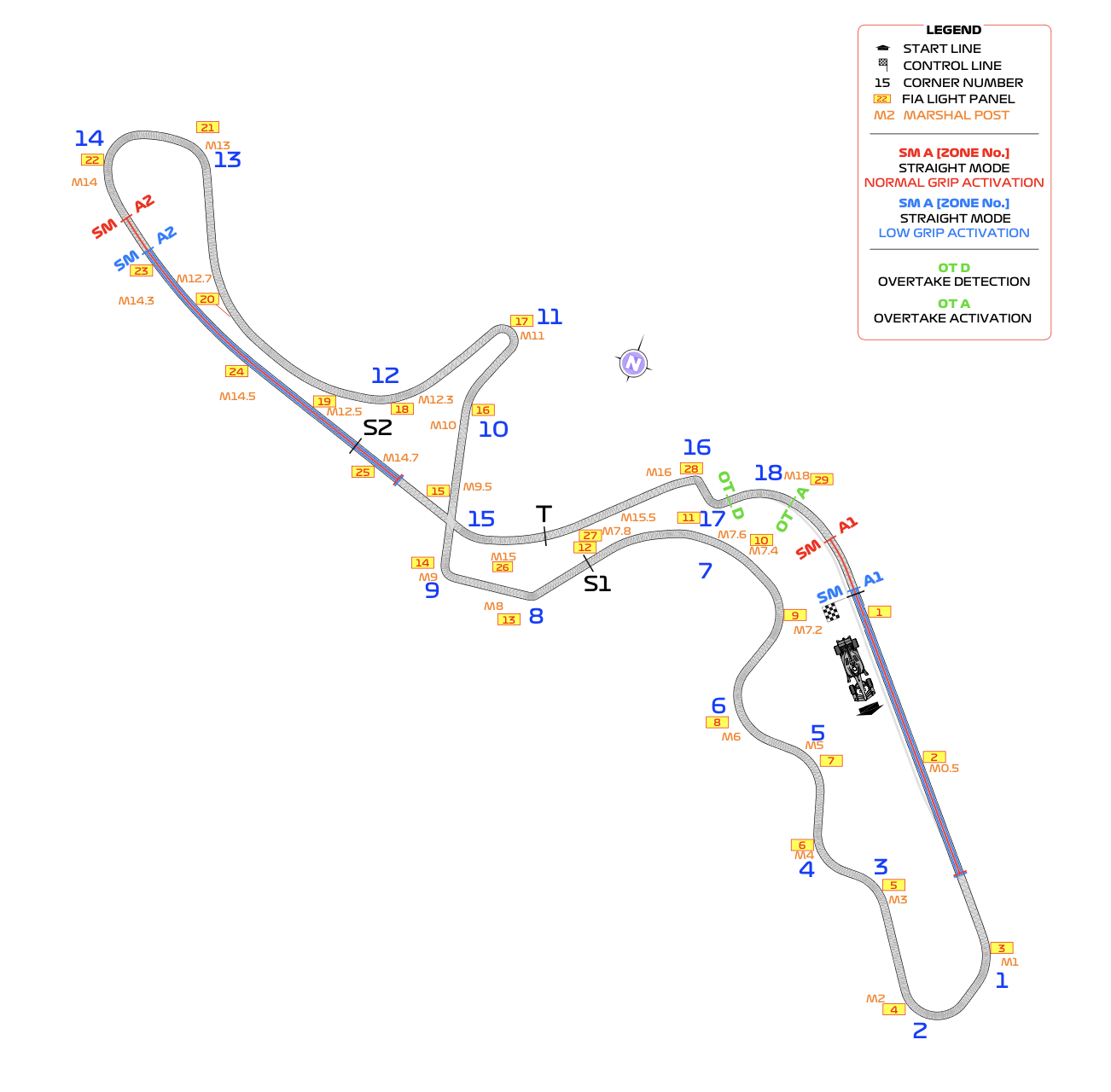
Official Japanese Grand Prix Track Layout
UPGRADES BROUGHT TO THE JAPANESE GRAND PRIX
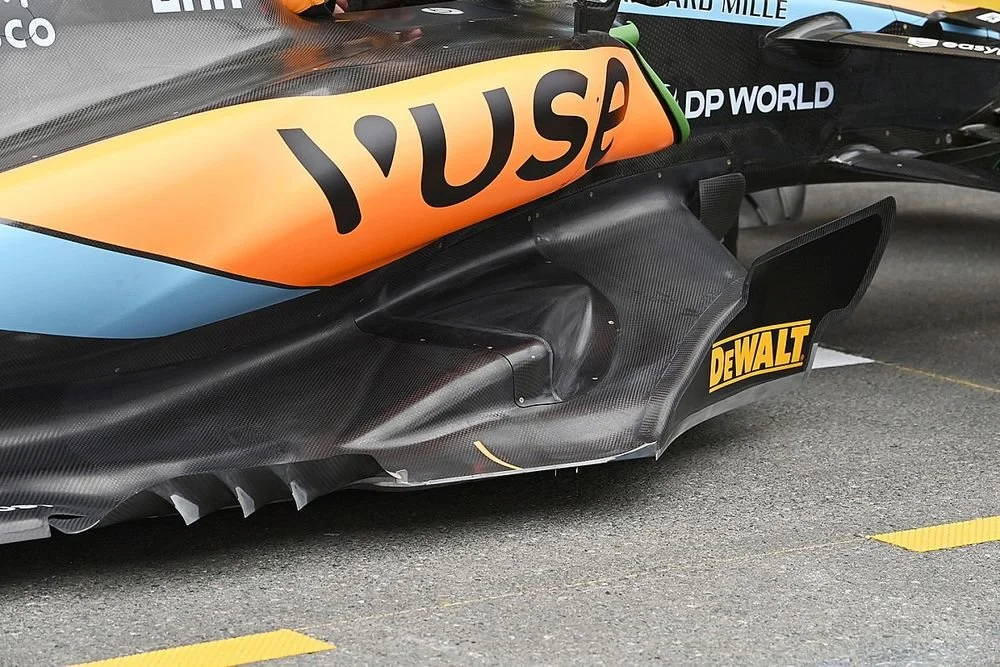
FLOOR (Under Body)
Suzuka's smooth surface and high-speed corners place enormous sustained load on the floor throughout a lap. Teams focus on floor edge stiffness and tunnel geometry to maintain consistent downforce through the S Curves and 130R, where any aero instability is felt immediately by the driver. Unlike bumpier circuits, the priority here is maximizing peak downforce rather than managing ride height fluctuations.
EDGE WING / FLOOR DEFLECTORS
At Suzuka, floor deflector adjustments are geared toward managing airflow through the high-speed corners that make up the bulk of the lap. Keeping the underfloor fed with clean air through long, sustained direction changes like the Esses is critical. Teams look for rear stability through these sections rather than straight-line efficiency, since losing the rear mid-corner at Suzuka is far more costly than a few kilometers per hour on the straights.
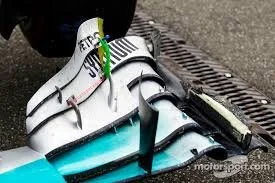
FRONT WING / FLAP CONFIGURATION
Suzuka demands higher downforce than most circuits, and the front wing plays a central role in achieving the balance needed for corners like the S Curves and Spoon. Teams typically run increased front flap angles to give drivers confidence on corner entry, with the goal of matching front and rear load levels through the circuit's long, flowing sections. Getting this balance wrong shows up immediately in lap time.
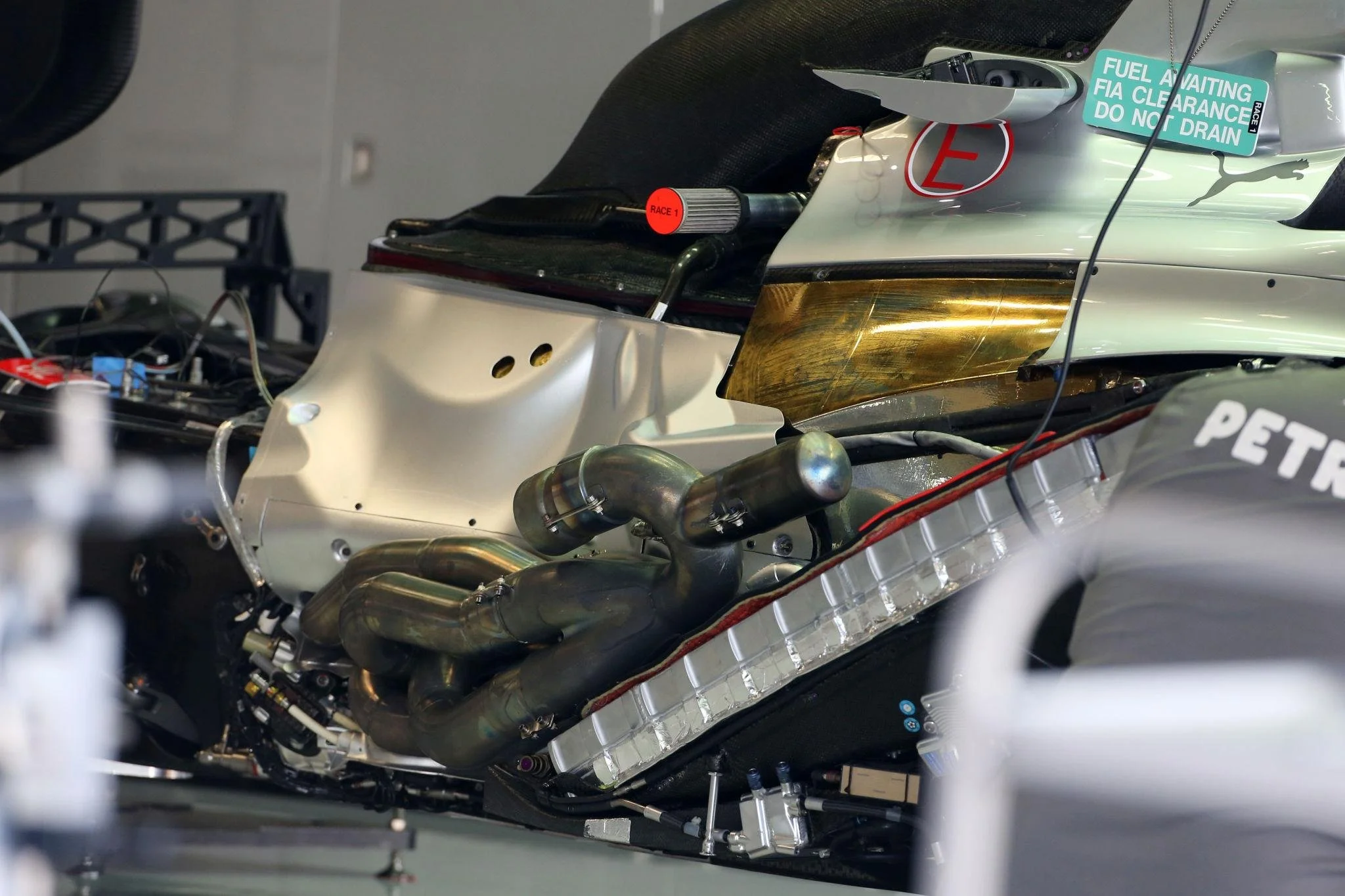
COOLING AND BODYWORK LOUVERS
Japan in late March can bring cool and unpredictable conditions, meaning teams often run tighter cooling configurations than they would at hotter venues. Closing up bodywork where possible reduces drag on Suzuka's long back straight between Spoon and 130R. The balance between staying within safe temperature windows and minimizing bodywork openings is one of the quieter but important setup decisions of the weekend.

TIRE COMPOUNDS AND RACE STAGEY
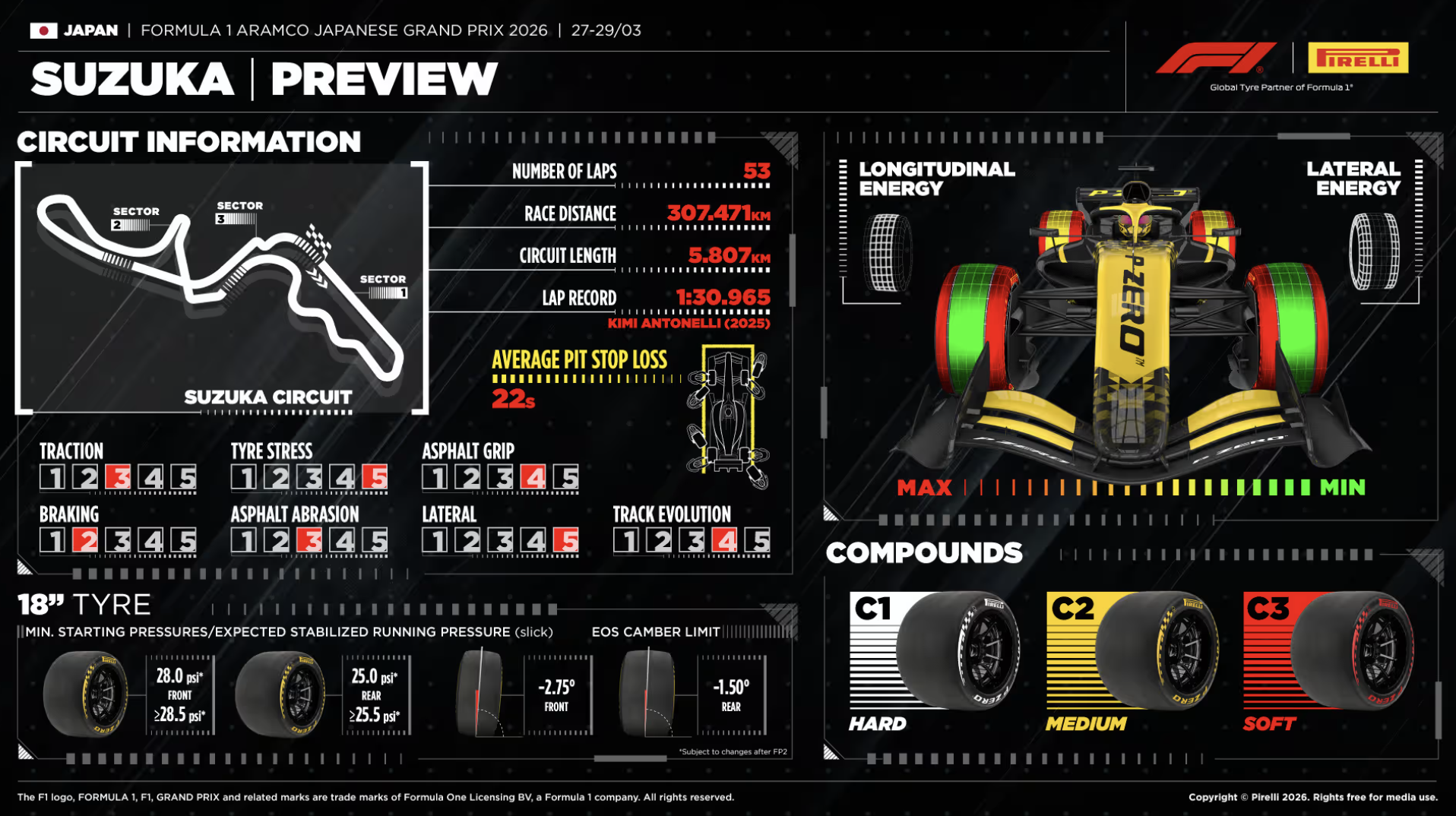
For this weekend at Suzuka, Pirelli opted to bring the three hardest compounds in the 2026 range, the C1 for hard, the C2 for medium, and the C3 for soft. This marked the C1's first appearance of the season, having not been needed at either Albert Park or Shanghai. The choice is no surprise given Suzuka's reputation as one of the most demanding circuits on the calendar for tires, with sustained high-speed corners generating enormous lateral loads throughout the lap.
A one-stop strategy was the preferred approach for most teams, with the medium to hard being the fastest structural plan and the pit window falling between laps 15 and 21 of the 53-lap race. The freshly resurfaced track added a layer of uncertainty heading into the weekend, as the new asphalt across sectors two and three was smooth but still green, creating the risk of graining on the softer compounds early on. Teams that managed their C3 soft tires carefully in the opening stint had a significant advantage, as those who struggled with graining through the S Curves found their strategy forced earlier than planned. A safety car remained a wildcard that could have opened the door to a two-stop, though Suzuka's clean layout makes neutralizations historically rare.
