2026 Miami Grand Prix Foresight
TRACK OVERVIEW AND HISTORY
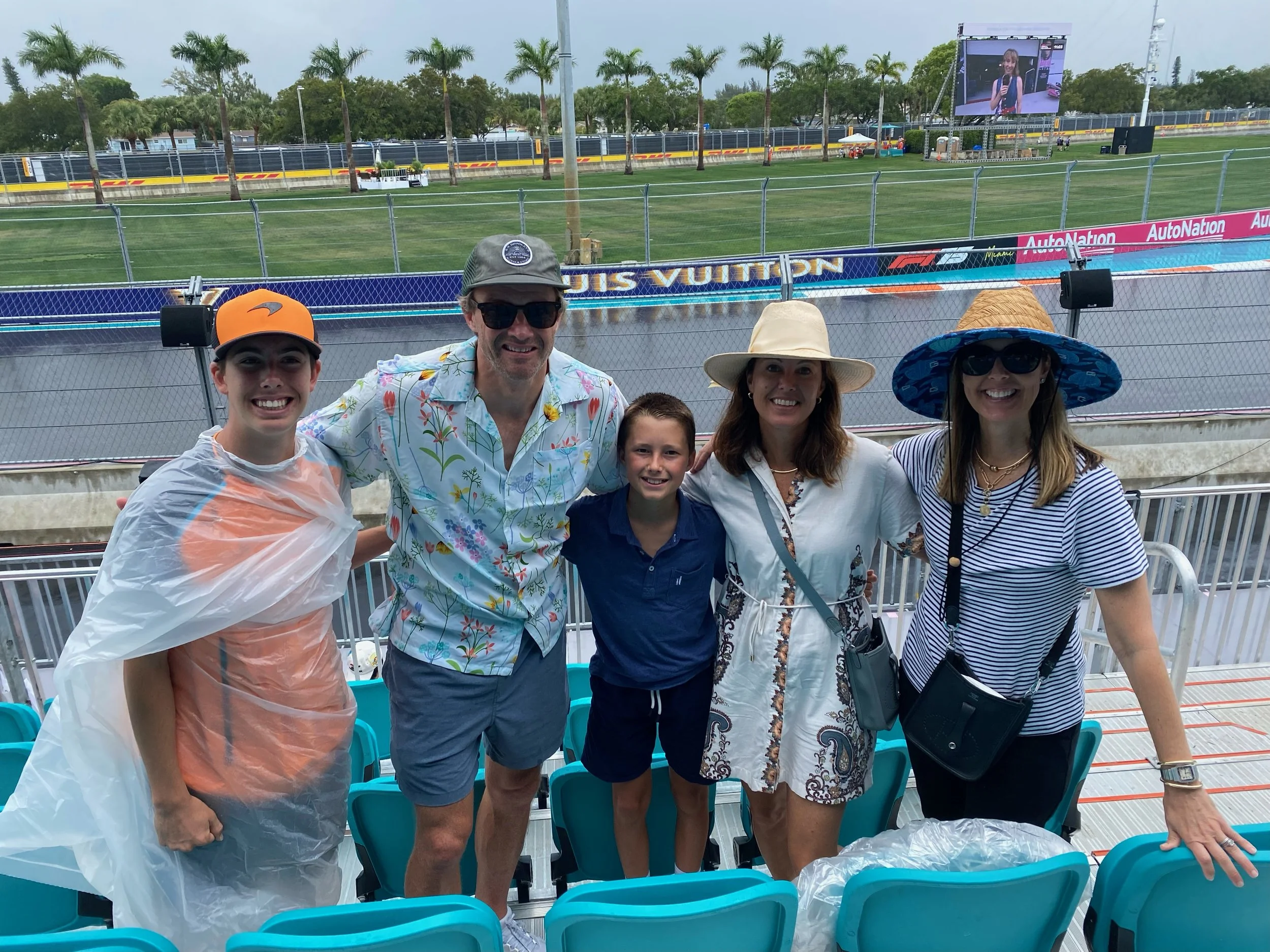
The Miami Grand Prix is one of the newest additions to the Formula 1 World Championship, having first joined the calendar in 2022. Unlike many of F1's historic venues, the road to bringing a Grand Prix to Miami was a long and complicated one, with efforts to host a race in the city stretching all the way back to the early 1980s. After years of failed proposals for a downtown circuit, the race eventually found its home at the Miami International Autodrome, a purpose-built track constructed around the Hard Rock Stadium complex in Miami Gardens, which also serves as the home of the NFL's Miami Dolphins. The 5.41 km circuit features 19 corners, three long straights, and top speeds exceeding 350 km/h, along with tricky elevation changes that lead into the challenging Turn 14 and 15 chicane.
Since its debut, the Miami Grand Prix has quickly built a reputation as one of the most exciting and unpredictable races on the F1 calendar. In a quirky trend that defined its early years, no driver who started from pole position managed to win the race in any of its first three editions, including Max Verstappen's remarkable 2023 victory from ninth on the grid. The event has grown so popular that in 2025 its contract was extended through to 2041, reflecting just how successful it has become as both a commercial and sporting spectacle. With its glamorous South Florida setting, a roaring stadium atmosphere, and a circuit designed to produce close and aggressive racing, the Miami Grand Prix has firmly established itself as a cornerstone of the modern F1 season in just a few short years.
How to master the Miami track
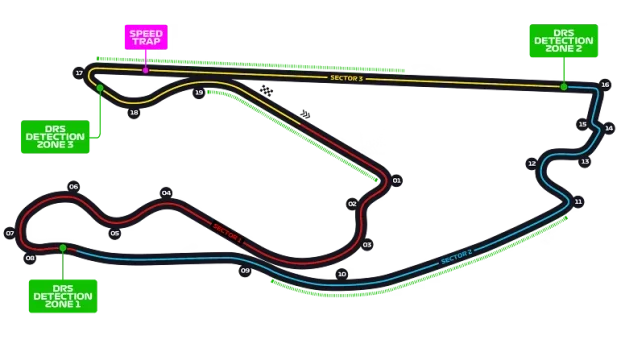
Official Miami Grand Prix Track Layout
UPGRADES BROUGHT TO THE Miami GRAND PRIX
The Miami GP at Hard Rock is very different from tracks like Baku because it is a fast, flowing semi-street circuit with long sweeping corners and heavy braking zones rather than endless straights. Teams must balance straight-line efficiency with strong front-end grip and stability through high-speed direction changes. Because it is early in the season, most updates are small refinements based on testing data rather than completely new aerodynamic concepts.
FLOOR (Under Body)
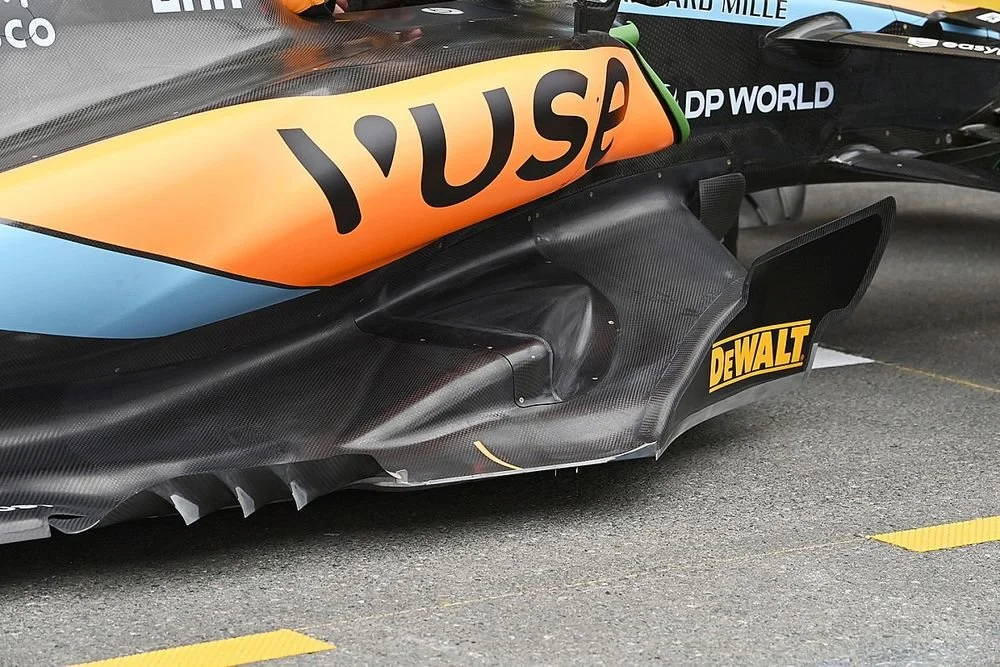
Teams fine-tune the floor edges and tunnel geometry to improve airflow consistency over Miami’s smooth but high-speed layout. Small changes help seal the floor better to the track surface, generating stable downforce through long corners without creating excess drag. These tweaks are about drivability and balance rather than outright peak performance.
EDGE WING / FLOOR DEFLECTORS
Adjustments around the rear floor corners manage how turbulent air leaves the car and feeds the diffuser. At Miami, this helps maintain rear stability during fast direction changes and traction zones coming out of medium-speed corners. The goal is cleaner airflow and confidence on throttle rather than maximum load.
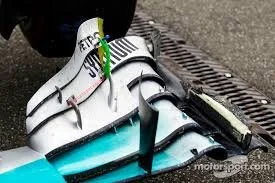
FRONT WING / FLAP CONFIGURATION
Teams often adjust front-flap angles to dial in turn-in response for Albert Park’s sweeping entries. Slightly higher load can help drivers attack corners, while still keeping drag low enough for the circuit’s short straights. These are setup-style aero changes that can vary session to session depending on grip levels.
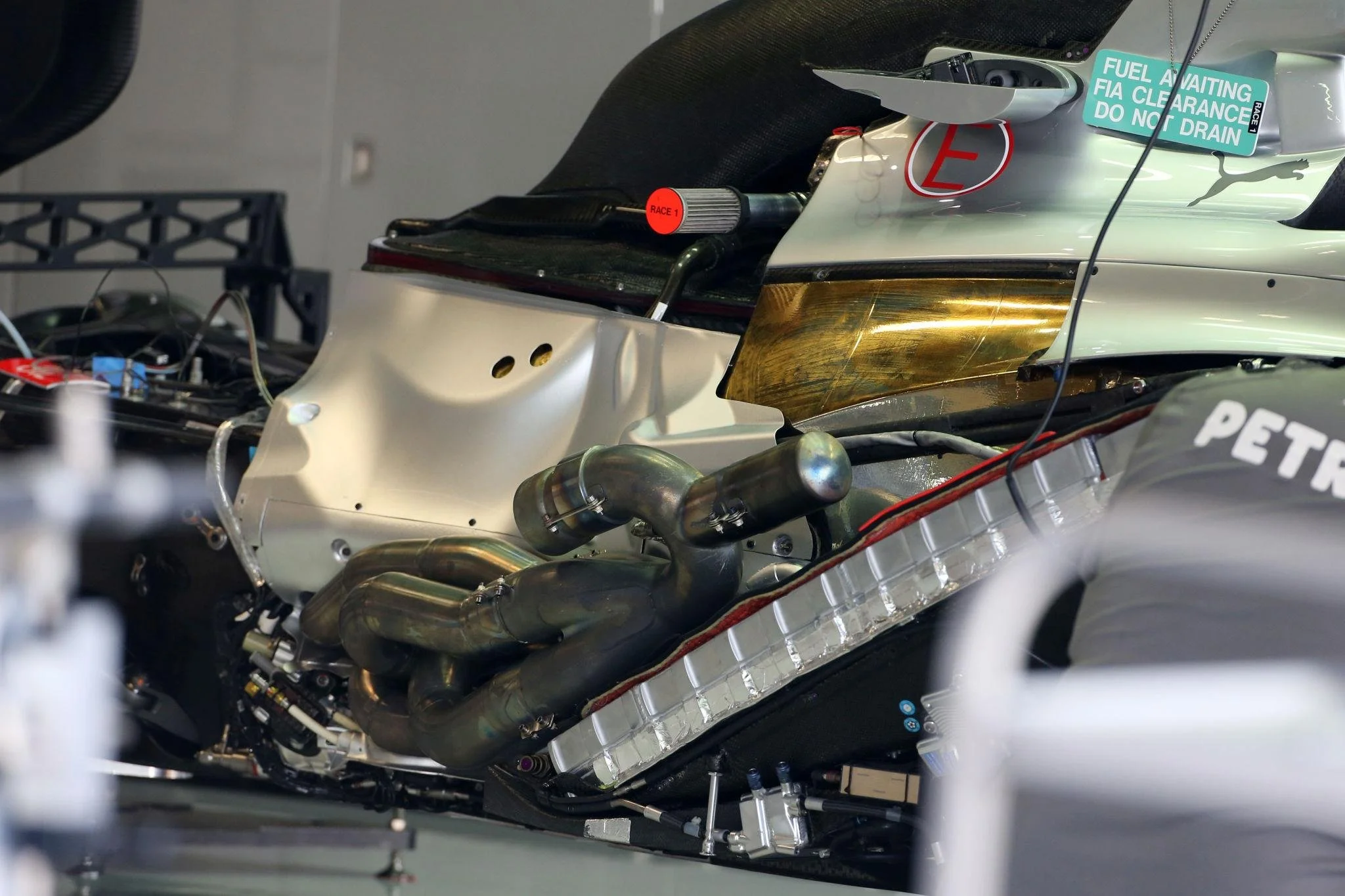
COOLING AND BODYWORK LOUVERS
Miami’s warm and variable conditions sometimes require revised cooling layouts, such as different louvre openings on the engine cover. These changes are not about downforce but about keeping power units and brakes in the ideal temperature window. Managing heat efficiently allows teams to run tighter bodywork elsewhere for better aerodynamic efficiency.

TIRE COMPOUNDS AND RACE STAGEY
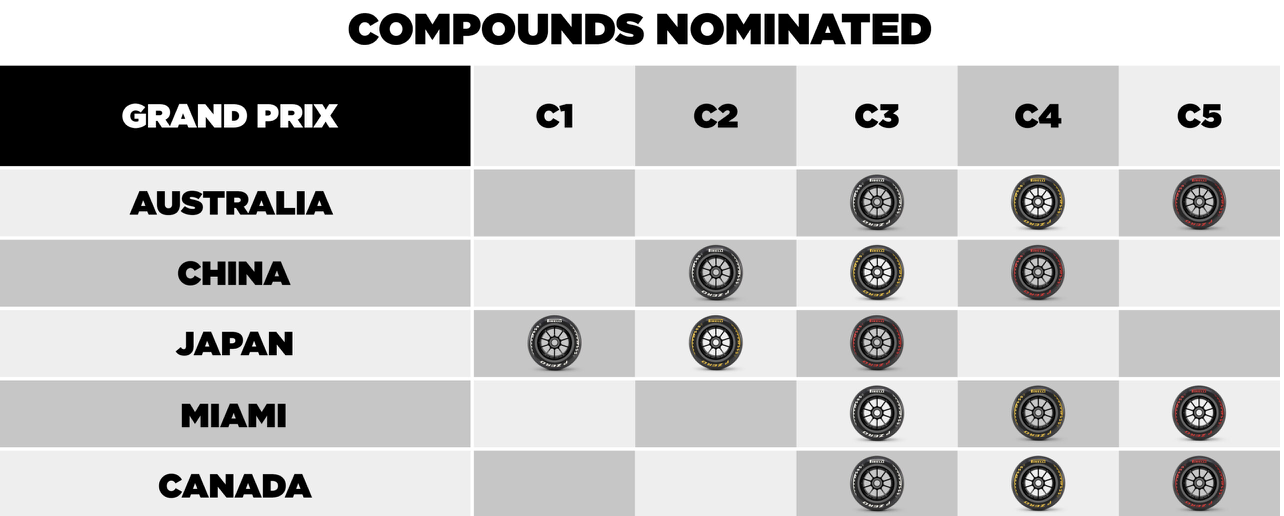
For this weekend, Pirelli opted to use the C3 for hard, the C4 for medium, and the C5 for soft. How will this play out, though? For qualifying, most teams will use the C5 soft compound tire, but it would not be a surprise to see some drivers lean on the C4 medium, especially given that the Miami International Autodrome has a notoriously smooth surface that causes tires to overheat rather than wear down through abrasion, making the softer compounds trickier to manage than they might look on paper.
A two-stop strategy is the most likely outcome in Miami, but teams will need to stay flexible. The smooth asphalt and the intense Florida heat put a lot of thermal stress on the tires, meaning degradation through overheating is the main concern rather than physical wear. On top of that, the Sprint format means teams only get one hour of free practice before parc ferme conditions kick in, leaving very little time to fully understand how the compounds are behaving. A safety car is always a real possibility on a street-style circuit like this one, and any virtual or physical safety car could completely flip the strategy on its head and open the door for a bold one-stopper to steal the win.
