Driver Development Programs
Why Are There Junior Driving Series?
If you want to become a Formula 1 (F1) driver, you don't become one overnight; it takes hard work and many years. You have to work your whole life and get signed at a young age when you start carting. Then you have succeeded in many feeder categories, such as Formula 4 (F4), Formula 3 (F3), Formula 2 (F2), and sometimes other series. However, over the past couple of years, one of these series has begun to lose its core meaning, and winning has become less critical.

Formula 4

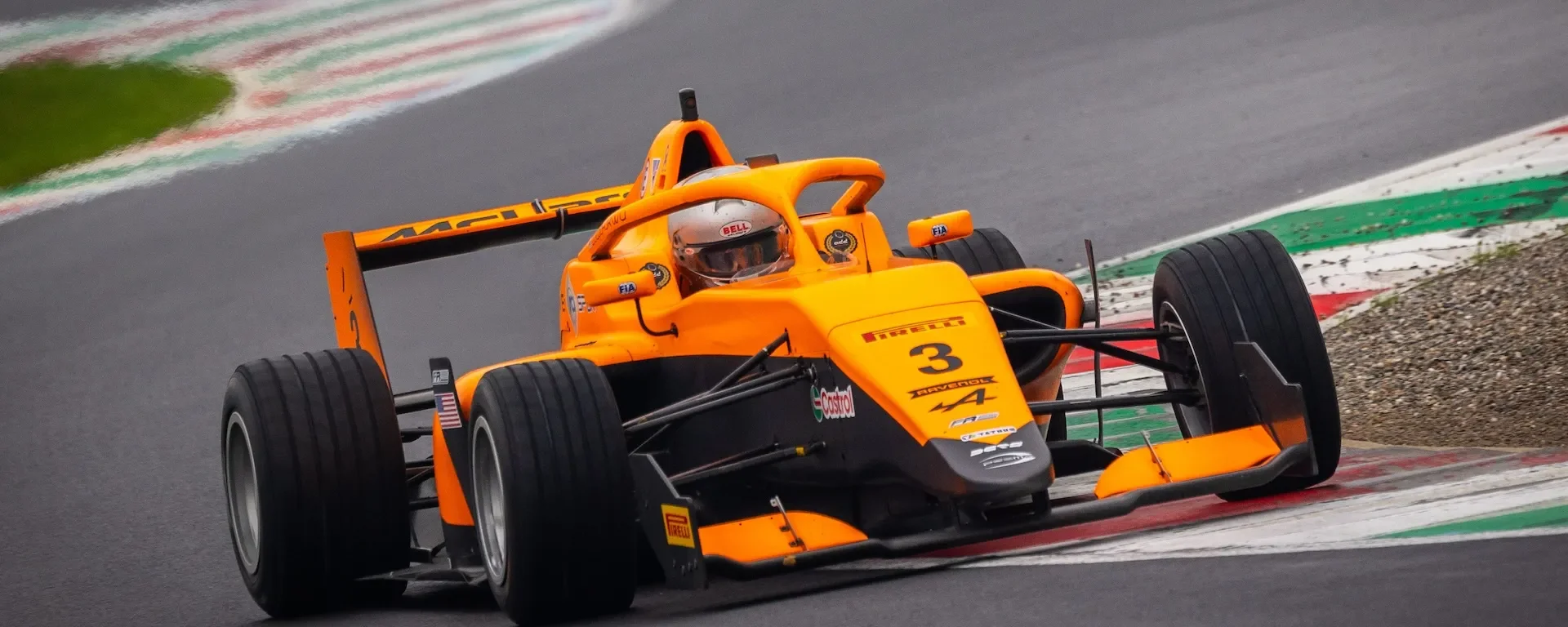
The development of future Formula 1 drivers is greatly aided by FIA Formula 4, which is the first significant step from karting to cars. Formula 4, developed by the FIA, ensures that success is determined by skill rather than money, offering identical cars, strict safety regulations, and controlled budgets. In addition to learning essential skills such as braking technique, racecraft, tire management, and consistency over longer races, drivers, typically between the ages of 15 and 18, also adjust to working with engineers and utilizing data. F1 junior academies frequently take note of impressive Formula 4 results, which open doors to Formula Regional and Formula 3. Although not all F4 stars go on to become F1 drivers, nearly all contemporary F1 drivers began their careers in this category, making it the base of the single-seater ladder.
Formula 3
The FIA Formula 3 Championship serves as the first big step into your Formula 1 career. F3 has only 30 drivers a year, and you earn your seat by being the best F4 driver across the globe. Here it is, truly your first big step: you get to race at the F1 tracks the same weekends the F1 drivers are, and you get significant media attention. The series focuses on a person's pace more than a team's strategy, requiring zero pit stops in all the races. The series is also very cutthroat, with poor results often catching up to you the following year, or even being cut midway through the year. Good results and consistency will find you with the best chance of getting a seat at the next level, which is Formula 2.

Formula 2
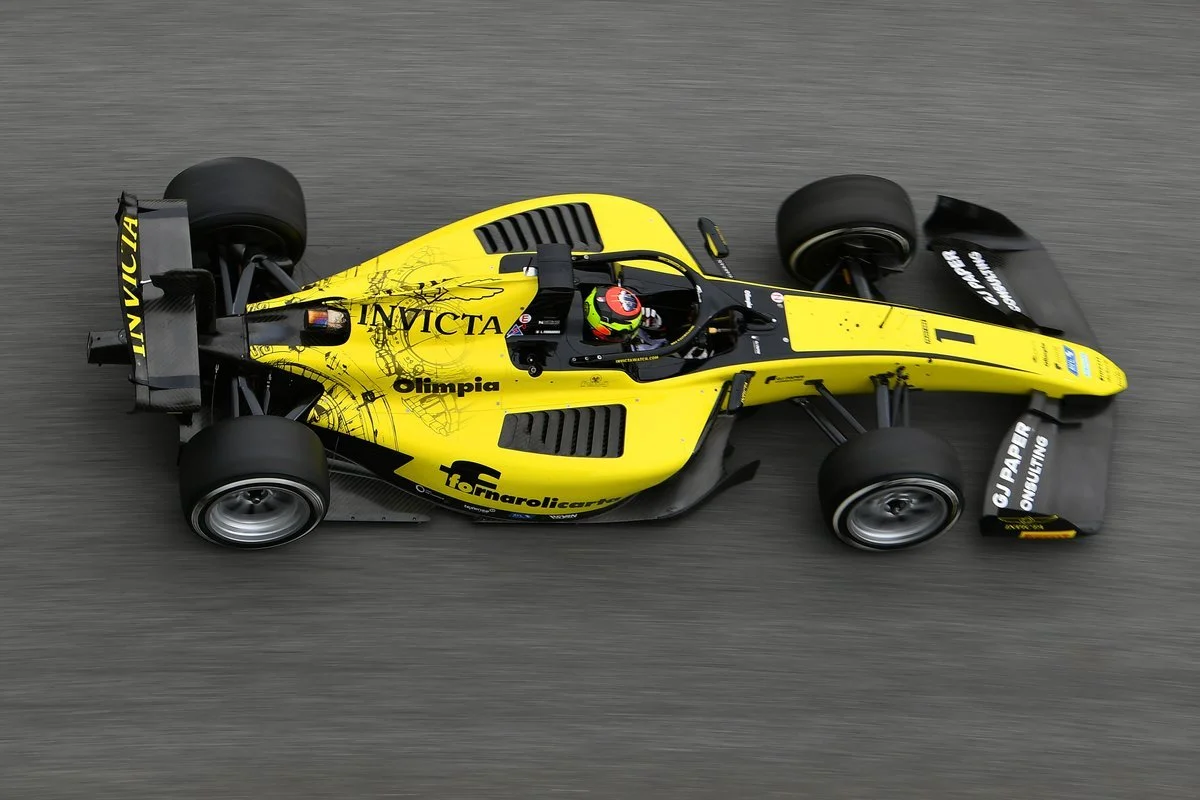
The last and final step before you make it to Formula 1 is the FIA Formula 2 Championship, which serves as the primary testing ground for aspiring Formula 1 drivers and is the last and most challenging stage. Instead of the series focusing solely on pace, it teaches drivers how to utilize tire management, as they must complete long races on a single set of tires. Also, they are required to complete a pit stop every feature race. The series also has only 22 seats, being more cut through than the Formula 3 series, with drivers also striving in the series for 2-3 years. Winning the series and having top results solidifies your way into Formula 1. Well, not so much these days, winning does not matter anymore.
Why F2 Matters Less Now
Since Formula 1 teams now mostly rely on their own driver academies, results in the FIA Formula 2 Championship are not as significant as they once were. Teams like the Red Bull Junior Team, Ferrari Driver Academy, and Mercedes Junior Team typically promote drivers they have developed over the years, rather than the F2 championship winner. Since these teams already have information on the academy drivers' mental toughness, feedback quality, and simulator performance, an outside driver winning Formula One does not always make them a superior option. As a result, rather than being a championship you have to win, Formula 2 is instead a last assessment stage when teams decide whether their own drivers are ready for Formula 1.
